What should young tennis players eat to support growth, training and competition?
How can families plan food and hydration before, during and after a match?
Do junior players need supplements or a gluten-free diet to perform at their best?
In this Sandra Soler interview, the dietitian-nutritionist and tennis player shares practical advice on nutrition for junior tennis players. From school-day meals and tournament planning to hydration, recovery and supplements, she explains how families can support performance and growth while helping young athletes build a healthy relationship with food.
Sandra Soler Interview: Nutrition, Growth and Everyday Habits
From Nutrition Science to the Tennis Court
I am Sandra Soler, a dietitian-nutritionist with a degree from the Universitat de València, a master’s degree in Personalised and Community Nutrition, and university training in eating disorders. I am also currently studying Psychology because I believe that nutrition goes far beyond what we eat, and that our habits and our relationship with food are fundamental, including in sport.
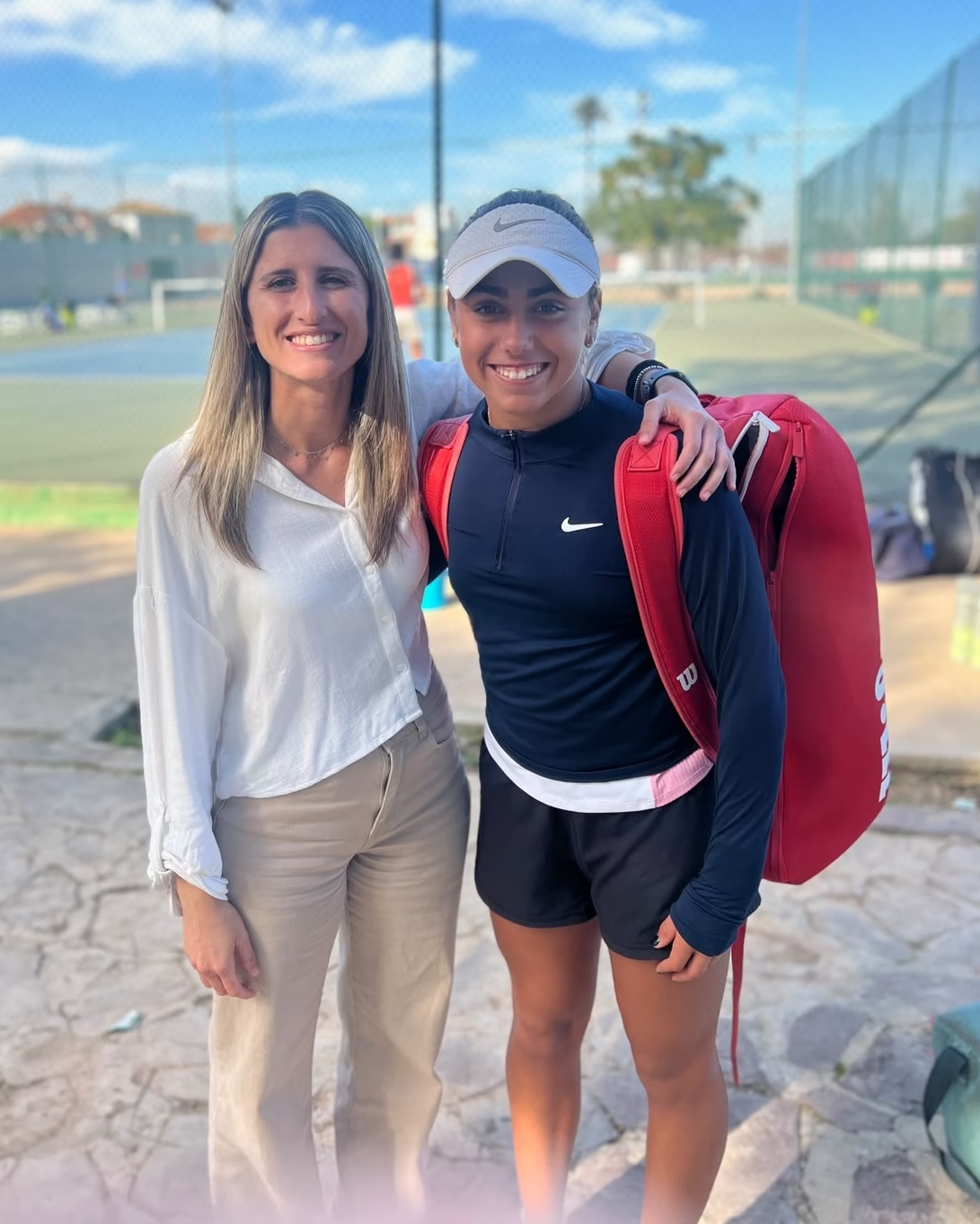
One of the areas I am most passionate about is sports nutrition, especially as applied to tennis, a sport with very particular demands. I work with young tennis players, supporting them so that their nutrition meets the needs of growth as well as training, competition and everyday life.
As well as being a nutritionist, I am someone who has a racket in her hand whenever she can. Playing tennis allows me to experience first-hand many of the situations players face: matches that last longer than expected, schedule changes, tournaments with several matches, nerves before competing, or difficulties eating and recovering after intense exertion.
This dual perspective, as a nutrition professional and a player, helps me understand that nutrition in tennis should support not only performance, but also recovery, growth and long-term health.
My goal is to translate scientific evidence into practical, realistic recommendations tailored to each tennis player, without forgetting something especially important when working with young athletes: enjoying sport and building a healthy relationship with food.
Growing Players: Eating Enough Comes First
The first priority is eating enough. A young tennis player needs energy to train and compete, but also to grow, develop their bones, study and recover. Sometimes a great deal of attention is paid to protein or a supplement, while the fact that the total amount of food is insufficient is overlooked.
The first priority is eating enough.
Carbohydrates—bread, rice, pasta, potatoes, oats or fruit—play an important role as fuel. We also need protein spread throughout the day, fats, and a varied diet that provides nutrients such as calcium, iron and vitamin D.
Mistakes to prevent include skipping meals, arriving at training after many hours without eating, reducing carbohydrates out of fear of gaining weight, or trying to make a teenager eat like an adult who is dieting. Eating “very healthily” does not guarantee eating enough either: a salad can be part of a meal, but on its own it will usually fall short for a young person who trains for several hours.
Persistent fatigue, poor recovery, repeated injuries, mood changes, declining performance or changes in growth deserve attention. So do menstrual changes, which should not be considered normal simply because someone plays sport.
No single sign confirms an energy deficit, and one can exist without obvious thinness. The appropriate approach is to assess it with a paediatrician and a dietitian-nutritionist.
Daily Meals: Balancing School and Training
I would try to make eating fit the schedule so that training does not come after a long gap without meals.
An example of a day of eating for a young tennis player combining school and training could be:
- Breakfast: Toast with a source of protein, such as eggs or fresh cheese, accompanied by fruit and milk or a calcium-fortified plant-based drink.
- Mid-morning: A sandwich with a choice of fillings, accompanied by fruit or nuts.
- Lunch: A dish of rice, pasta, potatoes or pulses, combined with vegetables and a source of protein, such as meat, fish or eggs.
- Before training: An easily digested snack rich in carbohydrates, such as fruit with bread or toast. If there is more time available, a dairy product or another source of protein can be added.
- After training: If dinner is still some time away, a sandwich with a protein-rich filling, yoghurt with cereal and fruit, or a homemade smoothie.
- Dinner: A combination of vegetables, a source of protein such as fish, meat, eggs or pulses, and a source of carbohydrates such as potatoes, rice, bread or pasta.
The idea is to show that there is no single menu for a tennis player. We can vary the foods in each group according to preferences, family habits, availability and budget.
Portion sizes and the timing of meals should be adapted to age, stage of growth, appetite and training load. Especially before playing, it is worth adjusting the amount of fibre and fat and choosing foods the athlete tolerates well.
What matters is that the diet is sufficient, varied and easy to integrate into family routines, without needing specific sports products.
Before a Match: Adapting Food to the Time Available
The less time there is before the match, the smaller and more easily digested the food intake should be. I would also always recommend choosing familiar foods that the player has already tried during training to avoid possible digestive discomfort.
I would also always recommend choosing familiar foods that the player has already tried during training to avoid possible digestive discomfort.
If there are around three hours to go, we can have a complete meal with a good carbohydrate base, such as rice, pasta, potatoes or bread, accompanied by a source of protein, such as meat, fish or eggs. It is advisable to moderate fat and fibre, especially if the player tends to experience digestive discomfort before competing.
If there is one hour to go, I would choose a smaller intake, mainly rich in carbohydrates and easy to digest. Fruit, bread, cereal or other simple options can work, with quantities adjusted to each athlete’s appetite and tolerance.
If there are only 30 minutes left, a small amount of easily digested carbohydrates, such as a little ripe fruit or fruit purée, may be enough. There is no obligation to eat again if the player has already had an adequate meal and feels comfortable.
For an early-morning match, I would try to plan breakfast in advance, prioritising foods that are easy to digest and provide energy. We can combine a carbohydrate source, such as bread or cereal, with fruit and, if well tolerated, a dairy product.
If getting up too early compromises sleep or the player has little appetite, we can split breakfast into two small portions: one on waking and another later, adapting to the match schedule.
Ideally, these strategies should be tested during training, rather than experimenting with new foods on competition day.
In any case, there is no single strategy that works for every tennis player. Pre-competition nutrition should be adapted to the expected match duration, time available, appetite, digestive tolerance and individual needs. Ideally, these strategies should be tested during training, rather than experimenting with new foods on competition day.
On-Court Fuel: Small Amounts Throughout a Long Match
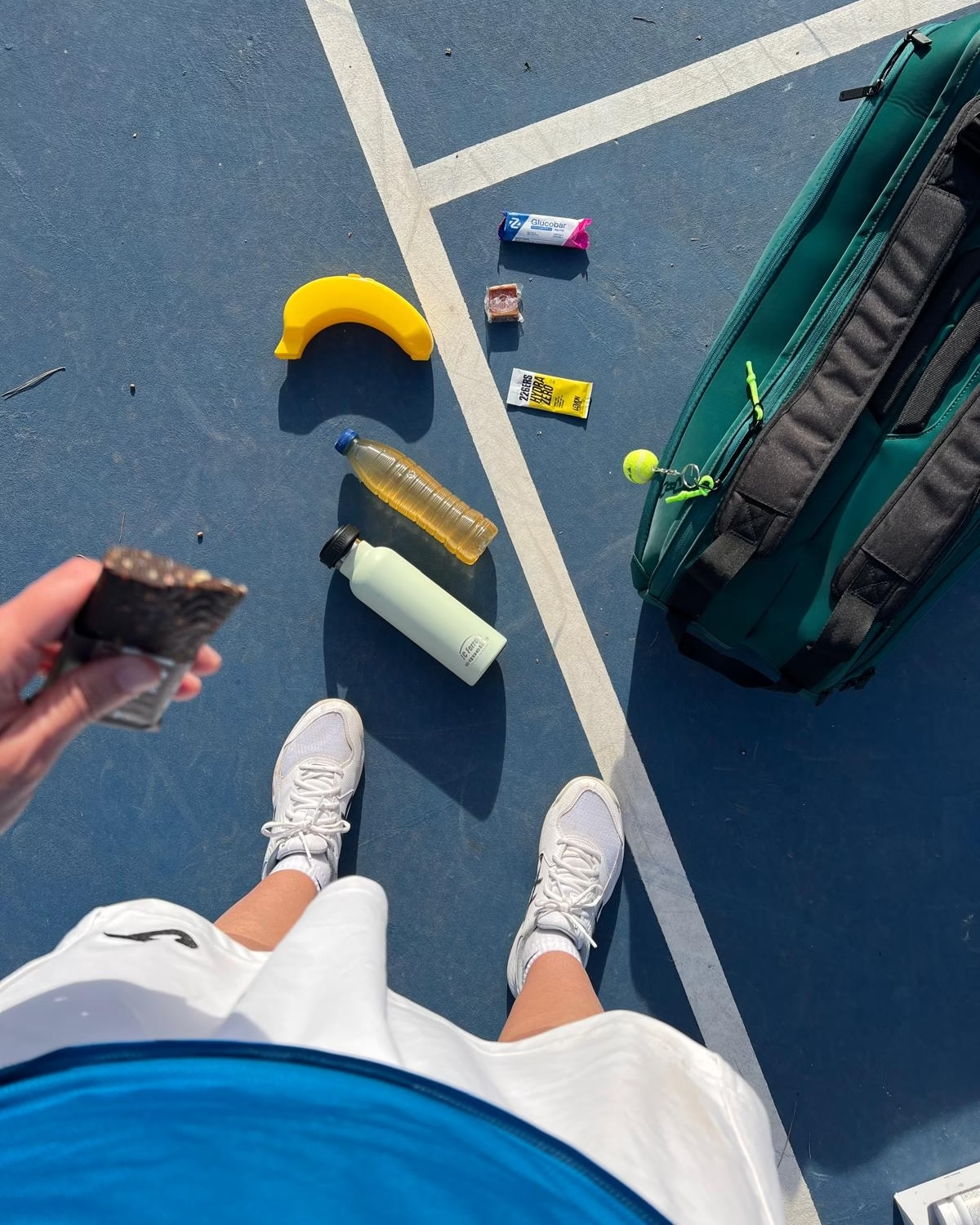
During a long match, bananas, fruit purée pouches, raisins or a sports drink can be useful, depending on tolerance. Dates can also be an option, but not everyone finds them comfortable to eat because of their texture and fibre content.
The idea is to spread out small amounts.
The idea is to spread out small amounts and use some of the changeovers, without waiting until the player feels completely exhausted.
I would not give the same quantity to every minor. It depends on their age, body size, the duration and intensity of the match, and what they have eaten beforehand.
For adolescents playing demanding, prolonged matches, we can plan carbohydrate intake per hour, but that plan must be individualised and practised beforehand.
What they drink also needs to be counted: if the drink already provides carbohydrates, it is part of the strategy. There is no need to add food and sports products without considering the overall intake.
Hydration and Heat: More Than Drinking Water
Hydration starts before stepping onto the court. I would recommend carrying a bottle during the day, drinking with meals and arriving at training without intense thirst.
Urine colour can offer guidance: pale yellow is usually a useful reference, although it is not a perfect measure.
It is preferable to drink regularly and in tolerable amounts.
During play, changeovers help remind players to drink. It is preferable to drink regularly and in tolerable amounts, without forcing them to finish a particular bottle or drink large volumes all at once.
Needs vary considerably according to the player’s size, the heat, humidity and how much they sweat.
During short or moderate sessions, water is usually sufficient. In prolonged, demanding matches, especially in the heat or when playing several matches, a sports drink containing carbohydrates and sodium can be useful. A “zero” drink with electrolytes may provide salts, but it does not replace the fuel provided by carbohydrates.
Afterwards, it is advisable to keep drinking and support recovery with food. In hot conditions, shade, breaks and measures to cool down are also needed: drinking does not compensate for dangerous conditions.
Tournament Days: Planning for Several Matches
At a tournament, having alternatives helps much more than relying on finding the perfect meal, so I always advise bringing foods for different waiting times.
I always advise bringing foods for different waiting times.
If there are two or three hours to go, a simple meal such as rice with chicken or pasta with tuna may work. If there is around an hour, a small sandwich or toast with banana. If the next match is imminent, I would prioritise small, easily digested amounts and fluids.
I would avoid waiting indefinitely to eat because “they might be called now”. Food intake can be split into smaller portions so that hours of waiting do not become hours without eating.
Without a kitchen, we can bring bread, fruit, fruit purées, simple cereals, individual cartons of UHT milk or tinned foods opened at the time of eating. A cool bag and ice packs expand the options: yoghurts, omelette sandwiches, or rice and pasta dishes.
Storage matters: cooked rice, eggs, fish and dairy products should not spend hours in a hot backpack. Nuts can be useful during a long wait, provided there is no allergy, although other options are usually easier to digest just before playing.
After Training or Competition: Making Recovery Practical
After a demanding session, we aim to replenish energy, provide protein and replace fluids. This can be achieved with everyday foods.
Some options are milk with banana and toast; yoghurt with cereal and fruit; an omelette sandwich accompanied by water; or a meal of rice, potatoes or pasta with fish, eggs, chicken or pulses.
If there is another match or training session within a few hours, it is worth starting recovery promptly, during the first hour if tolerated. If there is no other session soon and the player will be having lunch or dinner shortly, that meal can cover recovery.
There is no specific minute after which food stops being useful.
When appetite is low, it may be more comfortable to start with something liquid or semi-liquid, such as milk with banana or a drinking yoghurt, and complete the intake later.
If they finish late, I would try to ensure they do not regularly go to bed without dinner. We can also bring part of dinner forward to before training and finish it afterwards.
Pre-Match Nerves and Digestive Discomfort
The first step is to listen to the player and avoid turning food into another source of pressure. Nerves can reduce appetite and cause real digestive discomfort.
We can help with predictable schedules, familiar foods and small amounts spread out over time. If solid foods are difficult, some soft or liquid preparations may be better tolerated.
It is also worth testing during training which foods, quantities and timings work.
Before competing, a very fatty, very large or high-fibre meal may feel uncomfortable for some players. That does not mean those foods should be removed from their everyday diet.
If the discomfort is recurring, affects what they can eat or interferes with competition, I would seek professional assessment.
If the discomfort is recurring, affects what they can eat or interferes with competition, I would seek professional assessment.
I would not remove gluten or dairy products on my own initiative to try to resolve any discomfort either; first, it is worth investigating what is happening. If anxiety is affecting their eating or enjoyment of sport, psychological support can also be very helpful.
Family Support: Food, Body Image and Growing Athletes
I like to talk about nutrition in terms of what it enables us to do: have energy, concentrate, recover and grow.
I would use phrases such as “let’s prepare something so you arrive feeling energised” or “after this match, it’s time to recover”.
I would avoid comments about weight, comparisons between bodies, and messages linking being thinner to being a better athlete. During puberty, normal body changes occur, and every young person develops at their own pace.
I would also avoid presenting food as something that must be earned through training or compensated for afterwards. Eating is necessary on rest days, and a defeat should not change the right to enjoy a meal.
Eating is necessary on rest days, and a defeat should not change the right to enjoy a meal.
Families can offer structure, options and help with organisation, giving the young person an age-appropriate role. Coaches can provide breaks to drink and eat, and refer nutritional questions to professionals.
If guilt around eating, intense fear of certain foods, increasing restrictions or constant concern about the body appear, it is advisable to intervene early.
Sports Drinks, Energy Drinks, Gels and Protein Supplements
It is important to distinguish between products with very different functions.
Energy drinks usually contain caffeine or other stimulants, and I would not recommend them for minors.
Energy drinks usually contain caffeine or other stimulants, and I would not recommend them for minors. They are not equivalent to sports drinks.
Sports drinks can provide water, carbohydrates and electrolytes. They have a specific use during prolonged exertion or demanding situations, but they are not needed as an everyday drink.
Gels are a concentrated way of providing carbohydrates. They can be practical in certain circumstances, although many young players can meet that need with food.
It is also necessary to check whether they contain caffeine, how they should be taken and whether they are tolerated. I would not introduce them routinely without advice.
Protein powder is not essential for building muscle or recovering. Protein needs can often be met with milk, yoghurt, eggs, fish, meat, pulses or soy. In specific situations it can be a tool, but the overall diet must be assessed first.
Before introducing a supplement for a minor, I would consult a dietitian-nutritionist with experience in sport and, where appropriate, their paediatrician. Iron or vitamin D, for example, require an appropriate indication and dosage plan.
For competing athletes, we must also consider the risk of contamination with prohibited substances. Independent batch testing reduces that risk, but does not eliminate it or demonstrate that the product is necessary or appropriate for that minor.
Three Practical Changes Families Can Make
First, avoid long periods without eating. I would look particularly at what they eat at school and how they arrive at afternoon training.
Second, prepare a small “food backpack”: water and one or two familiar options, such as a banana, a sandwich or a fruit purée. That way, we do not always depend on what is available at the club.
Third, organise recovery. Having a snack or dinner planned for afterwards helps prevent fatigue, the journey home or a lack of appetite from leading to a skipped meal.
I would start with changes the family can maintain. A simple routine that provides enough food usually offers more than searching for special products.
Professional Players’ Diets: Should Juniors Remove Gluten?
The experience of a well-known athlete may spark interest, but it does not demonstrate that their diet is appropriate for everyone. Their medical circumstances, training and support team may be very different from those of a young player. Furthermore, an improvement in sporting performance cannot be attributed to a single dietary change without more information.
There is no reason to routinely remove gluten from young tennis players’ diets with the aim of improving their performance.
In coeliac disease, a strict gluten-free diet is necessary. In wheat allergy, the exclusion must be adapted to the diagnosis: wheat allergy and coeliac disease are not the same thing. There are also cases of non-coeliac gluten or wheat sensitivity, which require professional assessment after other causes have been ruled out.
If coeliac disease is suspected, it is especially important not to remove gluten before testing, because this can affect the results.
Removing it unnecessarily can make food more expensive, complicate travel and reduce the options available to meet energy and other nutrient needs if suitable substitutions are not made. A product labelled “gluten-free” is not automatically healthier either.
If there is a medical indication, it is possible to build a nutritionally complete gluten-free diet that is compatible with tennis. If there is not, I prefer to focus on ensuring that the young person eats enough, has variety and has a strategy that fits their life.
Key Takeaways for Junior Players & Parents
- Make eating enough the first priority. Young players need energy for growth, school, training, competition and recovery.
- Plan meals around school and tennis. Avoid long gaps without food and prepare familiar snacks for training and tournament days.
- Practise match-day nutrition during training. Adjust food quantities and timing to the player’s appetite, digestive tolerance and time before play.
- Adapt hydration to the conditions. Water is often sufficient for shorter sessions. Sports drinks can have a role during prolonged, demanding play, while heat also requires breaks, shade and cooling.
- Make recovery part of the routine. Everyday foods can provide carbohydrates, protein and fluids. Plan ahead, especially when another match is approaching or training finishes late.
- Support a healthy relationship with food. Focus on energy, growth and recovery. Avoid body comparisons, weight pressure or presenting food as something to be earned.
- Seek qualified advice before using supplements or restrictive diets. Supplements are not automatically necessary, and a professional player’s diet is not a template for every junior. Suspected coeliac disease should be assessed before removing gluten.
Thank you, Sandra, for sharing your experience and practical guidance on nutrition for young tennis players. Your emphasis on growth, recovery and a healthy relationship with food offers valuable support to the players, parents and coaches who read Tennis Papers.
This interview was conducted in Spanish and translated into English.
About Sandra Soler Olcina
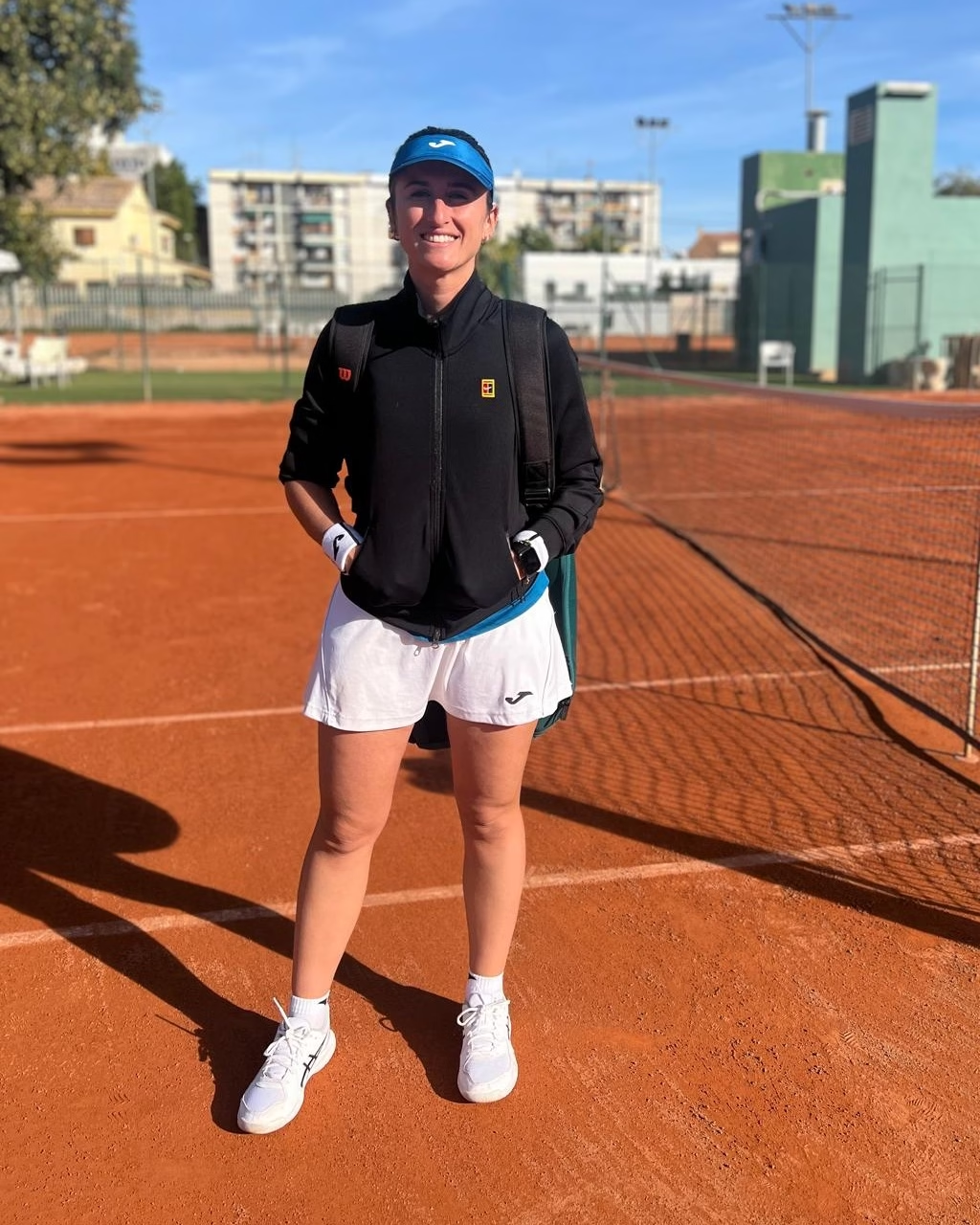

Sandra Soler Olcina
Sandra Soler Olcina is a dietitian-nutritionist specialising in sports nutrition for tennis players and nutritional support for young athletes. A graduate of the Universitat de València, she holds a master’s degree in Personalised and Community Nutrition and has university training in eating disorders. She is also studying Psychology. Registered under CV11056, she offers in-person consultations in Valencia, Spain, and online consultations for tennis players and athletes wherever they are based.