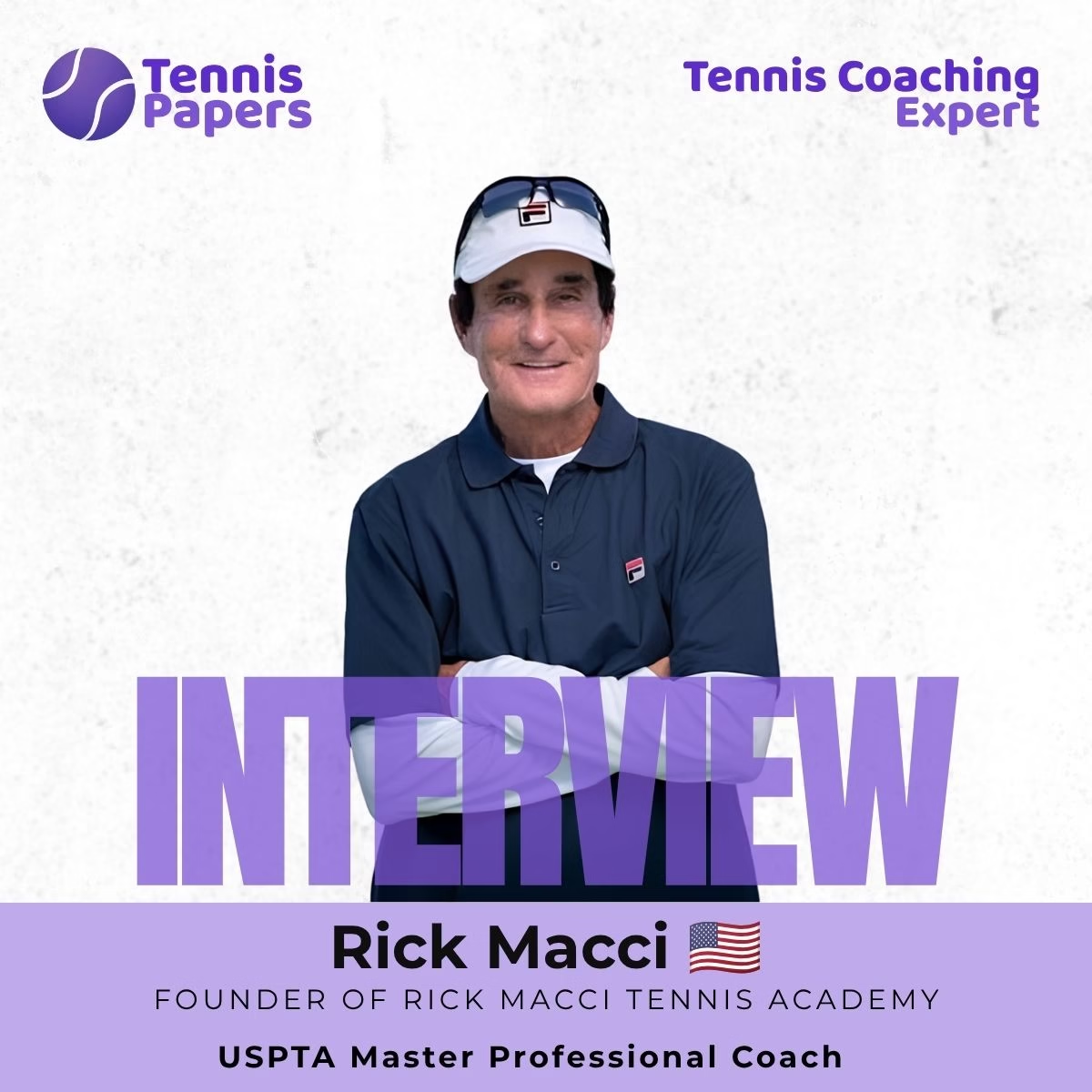
What does Rick Macci consider his greatest achievement as a coach?
How does he recognize exceptional potential in a 10-year-old tennis player?
What should young players and their families prioritize in training and competition?
In this exclusive Rick Macci interview, the seven-time USPTA National Coach of the Year reflects on his journey and his work with Venus and Serena Williams, Jennifer Capriati and Tommy Ho. He explains how he recognizes exceptional potential, approaches the development of 10-year-old players, and supports Vlada Hranchar’s ambitions, while sharing practical advice for young players and their families.
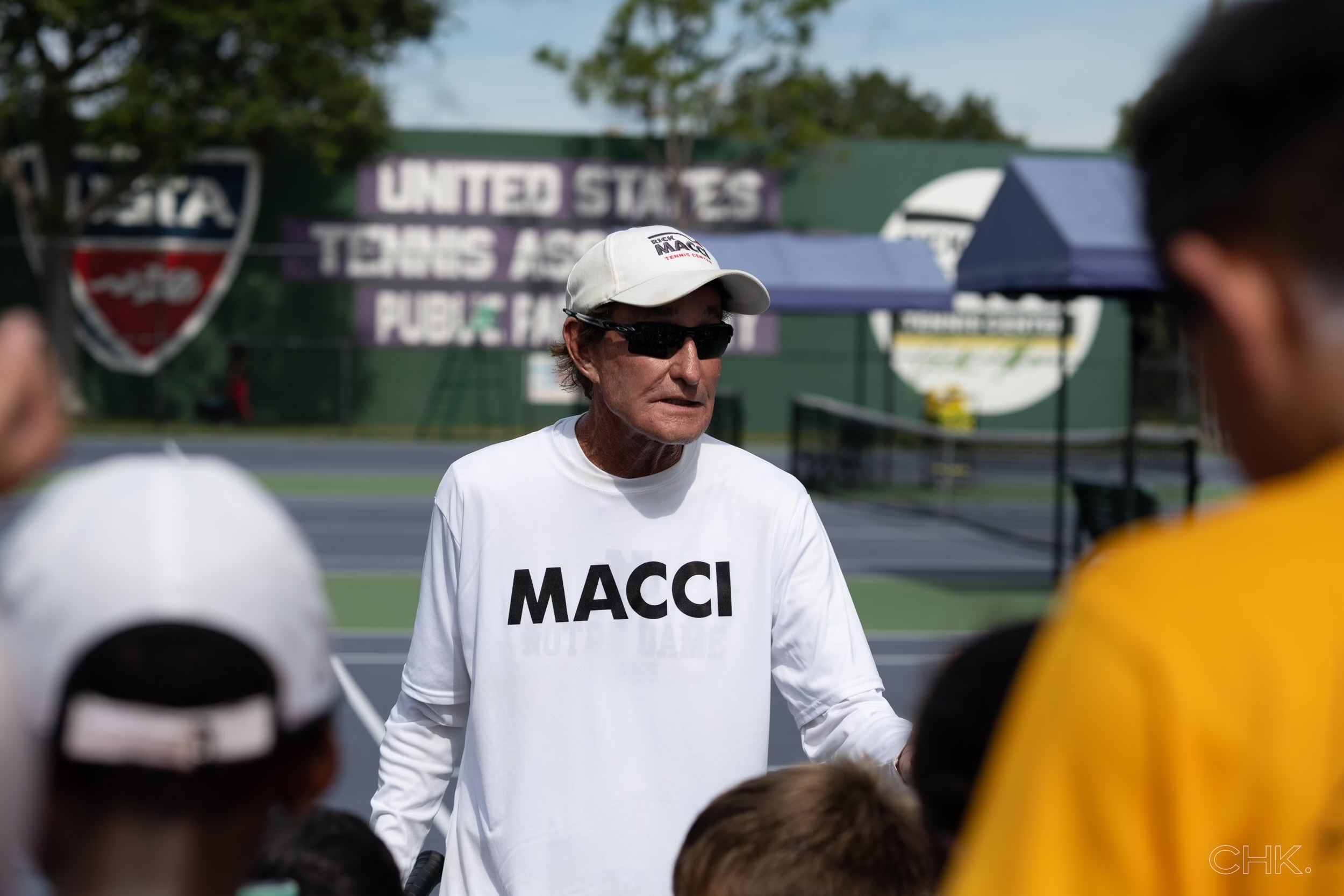
Rick Macci Interview: Coaching Philosophy and Developing Young Talent
From Junior Player to Coach: Rick Macci’s Beginnings
I played at a very high level as a junior, beat a lot of college All-Americans, and played a few qualifying tournaments. But I knew that all the money to be a professional tennis player was at the top.
I grew up with no instruction. I was self-taught.
I grew up with no instruction. I was self-taught, and I really maximized and optimized my ability through hard work, being athletic, and mental strength. So I knew I was never going to be amazing just because, technically, I had never gotten certain things at a young age, which I teach everybody around the world now.
But I just think I got the most out of my ability, and I knew it would be limited. From where I came from, being self-taught, doing everything on my own, I got the most out of my ability. And at the end of the day, that’s what it’s all about.
Coaching Venus, Serena and Tommy Ho: More Than Tennis
Of all the players that I’ve coached, obviously, the success of Venus and Serena. When you take someone that young, at nine and 10 years old, and have them for five years, and one of them goes on to become probably the greatest player ever to play the sport, I know what I did in all those years, every day, putting Humpty Dumpty together, brick by brick, and molding something that eventually the sport had never seen. We changed history.
We changed history.
By giving Venus and Serena that opportunity—not just the positive training environment that I created, hitting partners, taekwondo, ballet, boxing, and my time, six days a week—that’s a lot. An opportunity of a lifetime.
I took these two raw athletes and built a game of firepower, cutting the court, taking the ball early, and aggression. We were going to bring a different athlete to the sport. So, in terms of accomplishments, it’s definitely Venus and Serena.
I had the most dominant junior player ever, Tommy Ho.
But I had the most dominant junior player ever, Tommy Ho: 15 gold balls by age 15, the youngest ever to win Kalamazoo at age 15 in the 18-and-under. And Tommy wasn’t an overachiever. He wasn’t the best athlete, but he was mentally strong and had great strokes. I got him to think and look at life through a different lens, through a different perspective.
I’m really more of a life coach than a tennis coach.
Even to this day, he says the biggest influence in his life is myself, besides his parents. So that’s the best compliment, because I’m really more of a life coach than a tennis coach, believe it or not.
The brain is a muscle, and you’ve got to train it.
I get everybody to look at things through a different set of eyes, and I get them to understand, you know, the brain is a muscle, and you’ve got to train it. I just get into their head a different way, much more than their parents could, and just get them to believe and think and look at everything very differently.
Actions speak louder than words.
The way I was brought up, I outworked the competition, and that work ethic still stands today. At this stage, I still teach 50 hours a week, seven days a week. When you lead by example and you’re that type of role model, you know, actions speak louder than words. That’s what I do with all the kids, and that’s always been the cornerstone.
Then, obviously, the motivation, just the positivity that I create in the environment and with all kids: if you believe, you’re going to achieve it. I just do this very differently than anybody has ever taught the sport. When it comes from the heart, I can expedite the learning curve and extract greatness even quicker.
The tennis part is easy. In biomechanics, we’re pretty much the worldwide leader. Then, obviously, strategy: I look at the game differently than anybody’s ever taught it.
Remember to forget.
But I just think the mental part, getting kids to “remember to forget” and just training them in this area, and my experience in the early ’80s with one of my best friends ever, Dr. James “Jim” Loehr, who is a pioneer in sports psychology—our work together for three years had a profound impact on how I teach.
Watch Rick Macci’s three-minute tribute to Dr. Jim Loehr.
Because tennis is more than your strokes and strategy. It’s so mental, and that’s probably one of the things I can do, especially with younger kids, because they’re raw, and I can just get them to look at everything through a different lens.
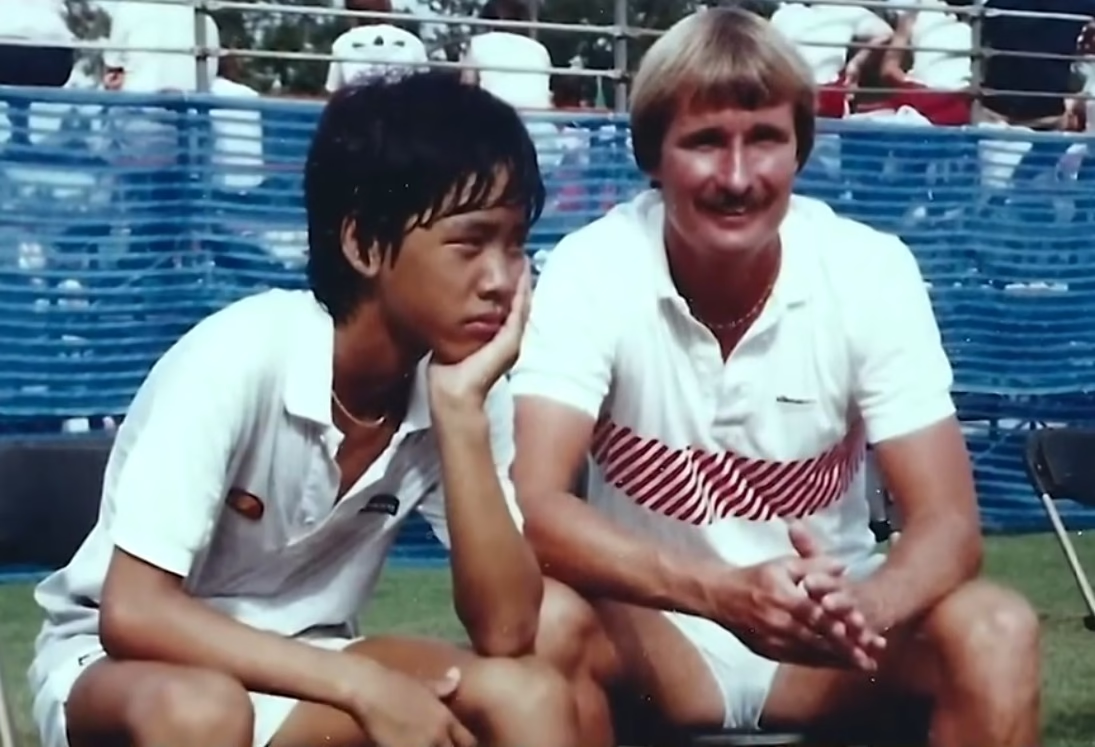
Jennifer Capriati: A Coaching Journey Rick Wishes He Could Have Continued
Looking back—which I never do, I never look in the rearview mirror—you know, exceptionally talented players that I coached include Andy Roddick, Jennifer Capriati, Maria Sharapova, Serena Williams, and Venus Williams. A lot of people that I’ve coached, that people have heard of, went on to become great professionals.
Probably the one would be Jennifer Capriati. I had Jennifer from age 10 to 14. She became the youngest junior ever to win the national 18-and-under as a 12-year-old, a record that still stands today, just like Tommy Ho. Both of them did it in 1988. I had the daily double. Both those records still stand today.
I wish I could’ve continued with Jennifer.
But I wish I could’ve continued with Jennifer. Her dad wanted to take over the coaching when she turned pro, and I just think I could’ve rounded out her game even more. More importantly—but I never look back, who knows—maybe mentally I could’ve kept her on track.
It’s the greatest comeback story in the history of not only tennis, maybe sports.
But all that being said, even though she hit a speed bump and disappeared, she came all the way back. To me, it’s the greatest comeback story in the history of not only tennis, maybe sports. She comes all the way back, wins three Grand Slams, becomes number one in the world, and gets a big contract with Fila.
Jennifer came all the way back after everybody wrote her off except me and her mom and dad. But that would be one player I wish I could’ve continued with, because I could’ve developed more completeness to her game, and I think mentally I could’ve made a huge difference.
Developing Vlada Hranchar: “I’d Rather Build the House Than Paint the House”
I coach anybody, anytime, anywhere, from kids five years old all the way up to pro players. I coach adults. I just love to teach. I love to help anybody, anytime, anywhere.
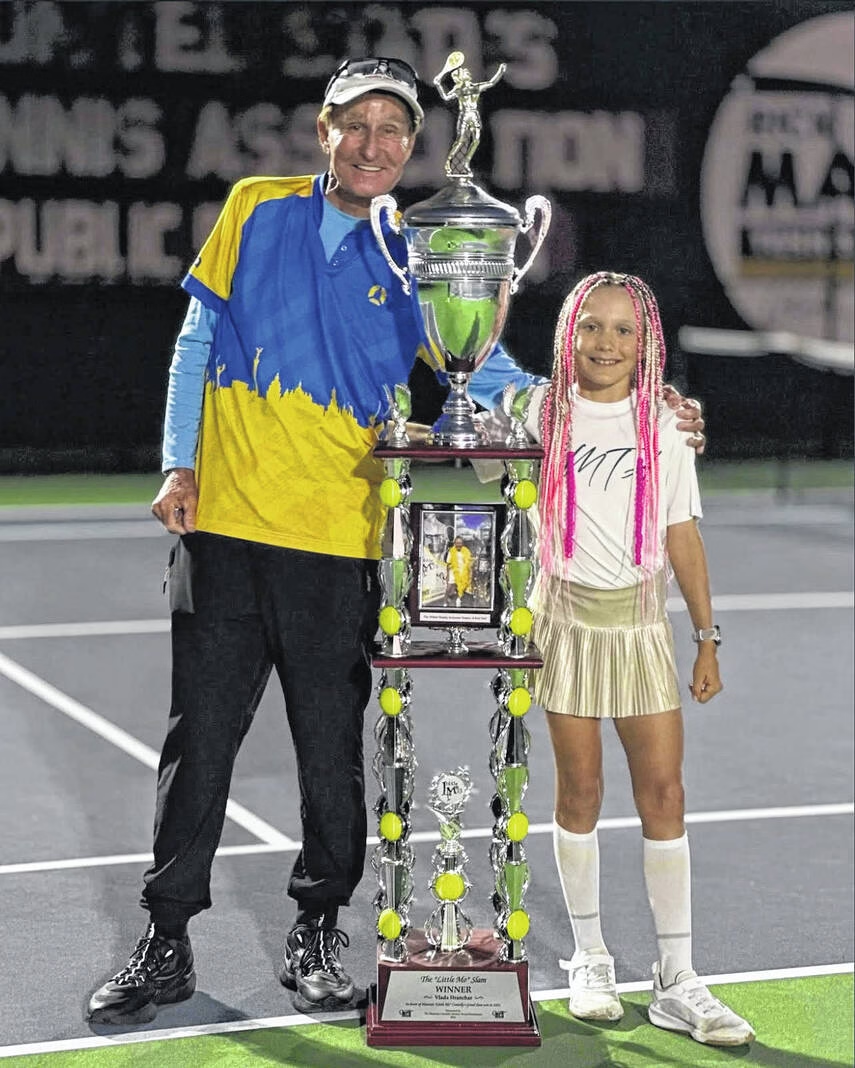
And yes, I coach 10-year-old Vlada Hranchar. I have a 20-year contract with her and the family. I took on the project at age seven. There’s a lot of financial commitment to it. I haven’t done it since the Williamses.
After five minutes, I knew there was something special.
When I saw her play, after five minutes, I knew there was something special, and I wanted to give her an opportunity. At this stage of my life, I didn’t ever really want to do what I did with the Williams family, to get into a financial contractual situation. But I said, “I think I can help make this girl become number one in the world.”
She checks every box.
She checks every box, and not only am I going to change someone’s tennis career, I’m going to change someone’s life. Plus, I love the little girl and the family. They’re all great people. I just know, more than anything, she needed Rick Macci technically, strategically, mentally, and they have this opportunity.
I think God brought us together. We’re all in alignment. Teamwork makes the dream work, so we’ll see where this goes. But I have no doubt, barring injury, I can help this girl become the best player in the world someday, because no one can put a game together and a mindset probably better than myself. All the cards you’re dealt at a young age, they’re with you forever, and that’s what a lot of people don’t understand when they see people playing on TV.
I’d rather build the house than paint the house.
I’ve had many opportunities to travel and coach people in the top 10, top 20, but never really wanted to do that. I’d rather bake the cake than put the icing on it. I’d rather build the house than paint the house.
This is what I do. I’m a builder, and I put things together technically, strategically, and mentally, because I look at this thing very differently. I check every box. I don’t leave any stone unturned, and that’s the best satisfaction ever, because the cards you’re dealt at a young age, like I said, you pretty much have those forever.
You can make some technical adjustments, maybe on the serve, when you’re on the pro tour. But you even see now there are many players who have many technical flaws on the pro tour, or their mindset is different strategically. Being around the right person at a young age is a game changer and a career changer.
Yes, I coach a lot of older juniors also. But I think because I can evaluate talent like no other and then put it together, that’s kind of what people have seen.
I think when someone’s on the pro tour and they’ve already won 12 Grand Slams, like Serena, it’s easier to coach someone like that. You just cannot mess it up. But that’s never really what I wanted to do. Like I said, I’d rather build the house than put a couple of coats of paint on it.
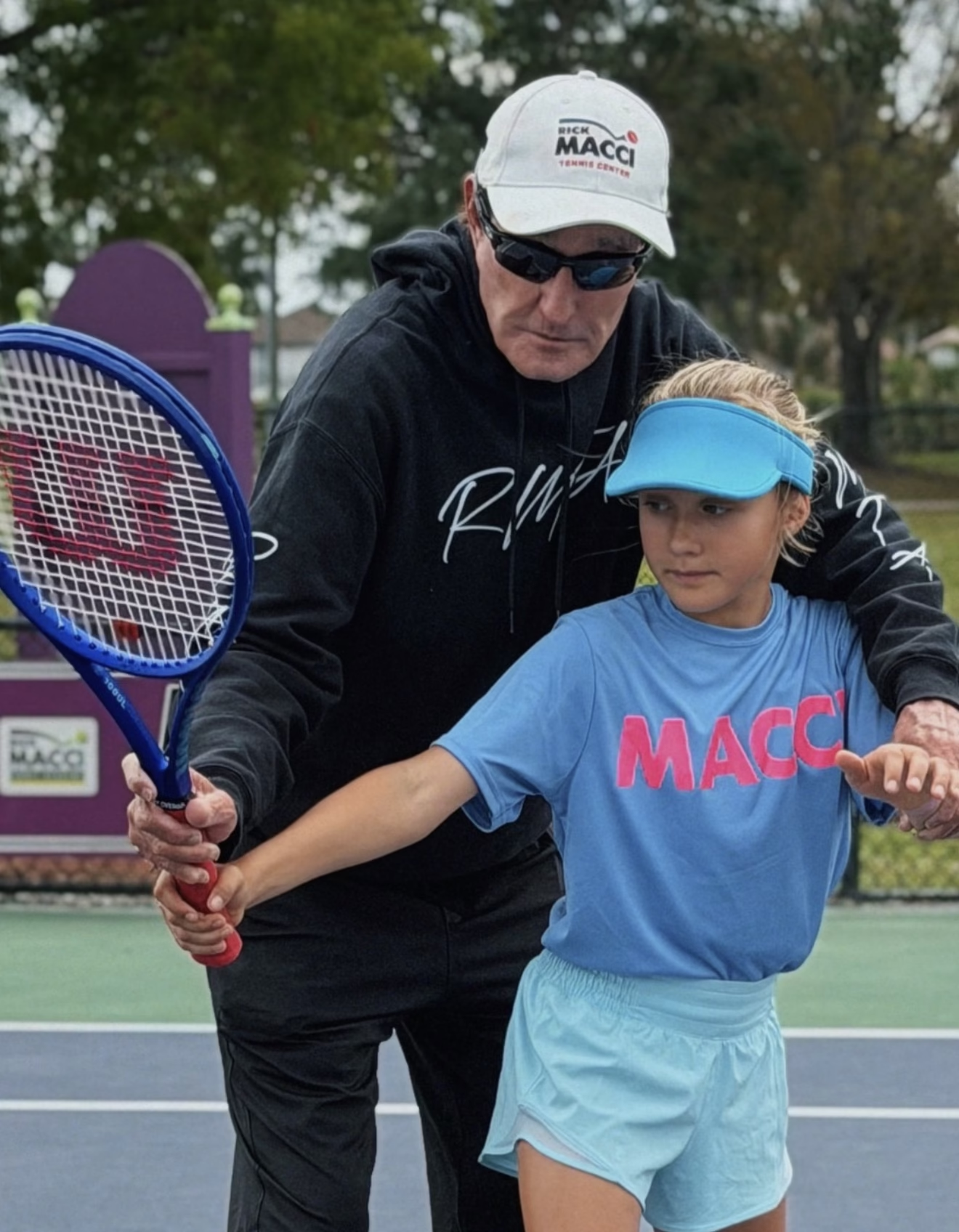
Developing a 10-Year-Old: Foundations, Work Ethic and Competitive Spirit
There’s nothing really hard about developing a 10-year-old. I think the biggest thing is there’s going to be more parental involvement. The parents are going to be a little bit, probably some of them, more helicopter and Velcro, where they’re going to be more involved than if I were coaching maybe a 17-year-old.
I think the biggest thing is, biomechanically, I’ve got to make sure there’s nothing technically that’s going to be a roadblock down the road. And that’s in the eye of the beholder. A lot of people don’t understand the science-based aspects of the technique.
The game is much quicker and faster than before. It’s all about time. Mechanics are at an all-time high, and unfortunately, a lot of coaches don’t really understand that part of it. They might have a concept because they see people on TV or what they see on YouTube, but no one can reverse-engineer this the way my partner, Dr. Brian Gordon, and I can, and rewire the motor system, reprogram the reflex, and change the muscle memory.
I teach boys and girls very differently.
So I’d say the technical part is the hardest. But then again, I teach boys and girls very differently. With the girls, it’s all a little bit more about time. I get them to control the baseline, cut the court, take the ball early. Take it on the rise, give me a surprise.
With the guys, it’s different. You’ve got to play with more spin. You’re going to be outside the doubles alley more, and you have to have even more of a complete game if you want to go on and play pro tennis.
But that being said, it’s all about athletic ability. It’s about movement. And most of all, I get them to love the game, even if they don’t love the game, because attitude determines altitude.
As a coach, it’s a tough question because there are too many different levels of a player. But I think the first thing is the technical, and then the work ethic.
The number one goal of any coach who’s reading this is to get your player to become the best competitor they can be and not go away. That would be my advice, and that’s what I get all the kids to do, or try to do.
Don’t go away. Compete like it’s your last breath. I think if you can instill that type of quality in a student, not only is that going to help them in the game of tennis, but in the game of life.
Recognizing Exceptional Talent: Looking Beyond Rankings
No one can evaluate talent better than myself, not just tennis, but even football, baseball, basketball. This is what I do, and I look under the hood. I see things very differently, and no one saw it in the Williamses. People see what they want to see, and I tell everybody, “What you may see is different from Rick Macci,” lol.
Tennis is such a movement sport. To me, that’s the X factor.
I look for the genetics first. Did the mom or dad play sports? The grandfather? Tennis is such a movement sport. To me, that’s the X factor. If you can move, you’re going to win a lot of matches.
From that, you can develop the mindset, you can develop the work ethic, and then the technical. As I said, the cards you’re dealt at a young age are with you forever. One bad grip, one bad swing, one bad technical flaw—that could ruin your career, and that’s what people don’t understand.
But I can evaluate talent, and I look at how big they’re going to be, where this is going when they’re 17, 18 years old. All that being said, there are many mitigating factors that can derail the whole thing: injury, you know, they get their driver’s license, they get older, boyfriend, girlfriend, parents divorce. There are a lot of things that can blow the whole thing up, so nothing is a given.
But I can usually see this in five minutes, because I look at it very differently. It has nothing to do with the forehand, backhand, and serve, or even if they’re ranked number one in their country or whatever. It’s not where you start, it’s where you finish.
It’s a little easier with the girls because it’s not as physical. With the guys, you know, you grow as you get older. Like with Roddick, I knew he’d be a great pro. I didn’t know how good. But when he grew, his serve became nuclear and the forehand supersonic. So the guys are a little trickier because it’s more physical.
But the number one thing I look for is [dictation unclear] the movement, okay? Because I feel you can always move better through anticipation, but that’s more of a genetic thing, and people don’t understand that.
Then it’s a matter of how you’re going to mold that game. To be great—and when I talk great, I’m talking it’s a package—that’s why you want to check every box. Learn every shot. Make sure there are no flaws as a kid.
But unfortunately, a lot of coaches and parents are about the ranking and, you know, UTR. A lot of times, they’re winning, but in the big picture, they could be losing, because they’re not developing a pro game, if that’s the ultimate goal.
I teach them a pro game, even as a little kid.
That’s what I do with Vlada and have done with all these young players that I’ve helped become some of the best in the world: I teach them a pro game, even as a little kid.
Training and Competition at Age 10: Quality, Repetition and Balance
It’s not one size fits all, whether you play two, three, four hours a day. But like any sport, it’s about repetition, repetition, repetition.
It’s about repetition, repetition, repetition.
If you want to play pro tennis, I think it would be very difficult after age 14 to still go to regular school and only play two hours, because you’ve got to get in the repetitions, unless you could play before school and after school. So that’s a slippery slope.
Education should be the number one goal of all the parents.
But that being said, education should be the number one goal of all the parents. You should always have that, not in the back pocket, but in the front pocket.
How much someone should play depends on what they’re doing and who they’re doing it with. You know, it has to be quality, and that’s in the eye of the beholder. The more competition you can play, the better, because if you want to become a better competitor, you’ve got to compete, and you want to become the best athlete you can be.
There are only so many hours in the day. You’ve got to eat, you’ve got to sleep, you’ve got to go to school. You’ve got to find the time. Playing tournaments, everybody should do that, even though the Williams sisters didn’t. They were great competitors.
You should play two or three tournaments a month, especially if your child is not that good a competitor, and you just get used to it. I have a lot of players I work with regularly. I have them do match play a lot, you know, at least four times a week. Like Vlada, she plays a match every day. Venus and Serena played a match every day. That’s how you become a better competitor, and you learn the geometry of the court.
Yes, you do need to rest. I’d say Sundays are fine, but it also depends on how many hours you’re playing during the week. It depends on the level of the student, whether we’re talking about a seven-year-old, a 10-year-old, a 15-year-old. It depends.
If you have to make people practice more, that’s never a good thing.
Then it also depends on the passion and drive of the student. If you have to make people practice more, that’s never a good thing. They can always do stuff on their own in their backyard. They can take a jump rope. You know, it has to come from them.
But you only have so many hours in the day. Fitness is important, no question about it, especially from an injury point of view. But at the end of the day, this is all about being on court, being a brutal competitor, and not going away. That should be the main focus.
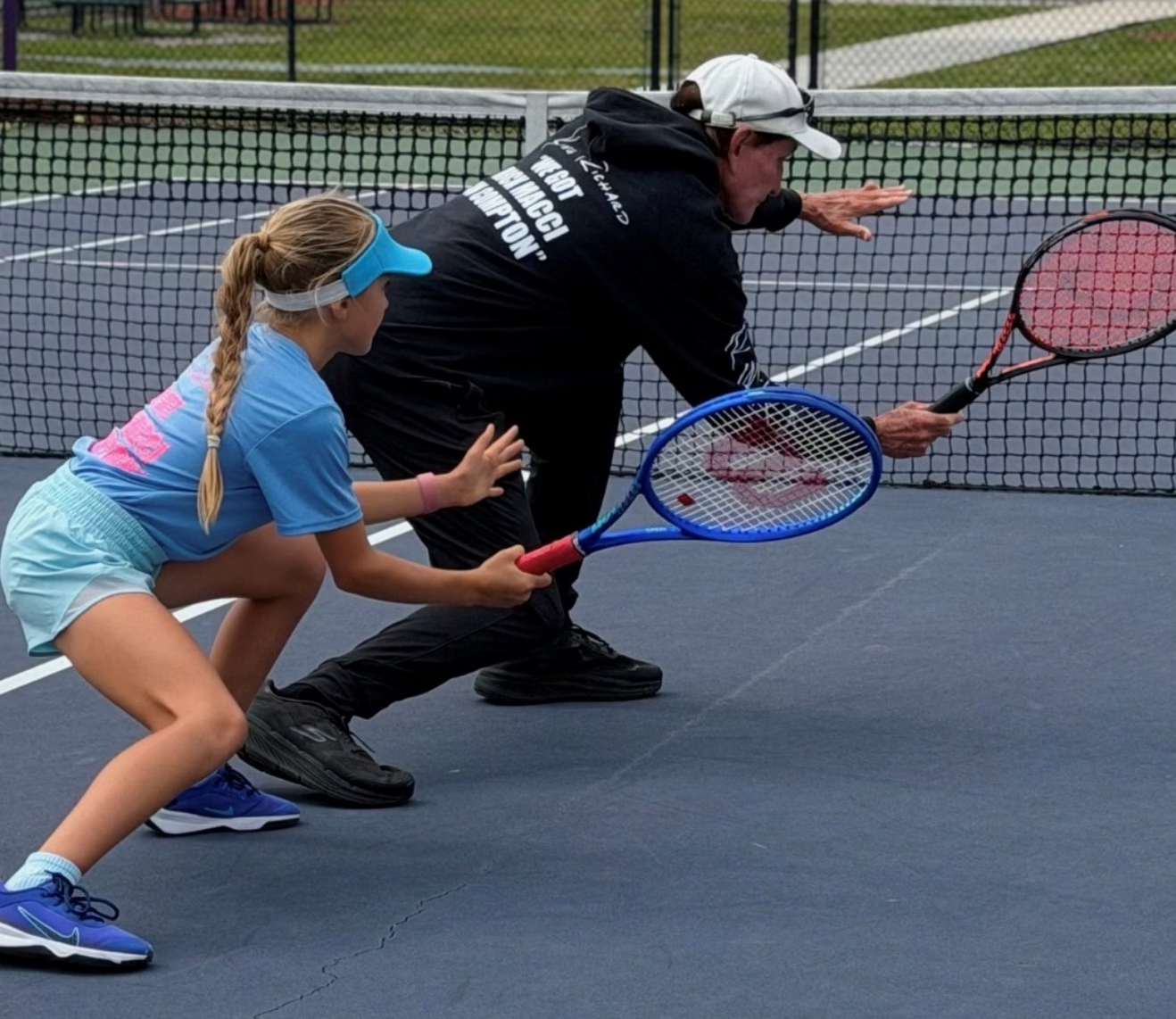
Even with Vlada, from age seven to 10, she’s already hit over 100,000—yes, a hundred thousand—drop shots. This little girl already has disguise and deception, and she’ll have the best drop shot in pro tennis. You heard it here first, and she’ll use it. All those yesterdays lead to tomorrow.
But once again, you’ve got to have time to practice all these little motor skills, because the game is becoming more complete thanks to the great Carlos Alcaraz. It takes time to develop all the skills, and then to put them into a practice match, and then to put them into a competitive situation like a tournament.
Advice for Tennis Families: Support, Confidence and the Child’s Own Ambition
One of the most common mistakes people make is they only practice what they like to practice. You’ve got to get uncomfortable to get comfortable. You’ve got to get out of your comfort zone to get in the end zone.
You’ve got to get uncomfortable to get comfortable.
The parents have got to know when to push and when to pull. They’ve got to know when to back off and take a deep breath, and it has to come from the kid.
Too many parents are living through their kid, especially when the kids are younger, because it’s daddy’s little girl, or they’re more protective when the kids are younger.
The parents should be there to support, build confidence, and motivate them.
Rick Macci’s Next Goal: Helping Vlada Achieve Her Dream
My next short-term goal as a coach? Listen, I just get better every day. I get better every day. I outwork the competition. I love to be on the tennis court. The academy is going great.
I just like helping whoever’s there on a regular basis, and the hundreds of people that visit from around the world—thousands that visit from around the world. I do over 200 FaceTime videos with people around the world because they can’t come to Florida. I just like helping anybody. I’ve got the same passion at [age to confirm] as I did at age 22, when this all started.
But one of my main goals now, obviously, because I coach Vlada and represent her as her agent, is to make her dream come true. I’m sure in a few years, or whenever she gets bigger and stronger, I’ll be doing more and more, and there will probably be some travel involved, even though I don’t leave the nest that much.
Because I took on this goal to help this family, it’s not about being a great pro. It’s all about number one in the world. If I didn’t think I could help her become number one in the world, I wouldn’t have gotten into this. I’m going to do everything possible, with every fiber in my body, to help this child’s dream come true.
I love the little Panther, and we’re building something that tennis hasn’t seen.
She’s a great kid. She’s like my fourth daughter. I love the little Panther, and we’re building something that tennis hasn’t seen. She’s going to play a different game. She takes the ball right off the bounce. It’s all about time. She’s a great athlete, going to have a drop shot from outer space. She’s going to play a very different game.
That’s what excites me, too: taking this from the beginning all the way through. It’s a very different situation than even with the Williams family, because I wasn’t really the agent, besides being the coach. This is very different.
This is one of the best decisions—well, it is the best decision I ever made in my life, because I see where she started at age seven, and here she is at age 10. She’s a nine UTR, and she’s already won the $10,000 Battle of Boca, beating college players!
Besides helping all the kids at the academy, Vlada is one of my main goals, seven days a week, on a regular basis. That’s my goal: to make her dream come true. If I can make her dream come true, then the mission I took on when she was seven is accomplished.
Watching the Game: Carlos Alcaraz, Coco Gauff and Lifelong Learning
Yes, I follow all the Grand Slam tournaments. I comment regularly in interviews and commentate about all the players. Obviously, Alcaraz is a generational talent. I called that at 17 years old. If he doesn’t get hurt, I think he can go on and change history. He’s heading towards rare air, the Spanish magician. It’s something the sport has never seen.
He’s a great role model for all kids because he has such a complete game.
He’s a great role model for all kids because he has such a complete game. He enjoys the competition. He’s out on the court smiling, dancing, and prancing. So I love watching Alcaraz because he’s just such an unbelievable role model, and I hope all players are watching him, and coaches are trying to check as many boxes as he did as a kid.
I like watching all the players. I don’t really have a particular female player, especially now with Vlada, because Vlada and I watch video and scout the competition, what’s coming down the road, even though the little Panther is only 10 years old.
I’m very good friends with the Gauff family, as they live here in Florida, so I like Coco because she’s a great athlete, quick and fast. Her little brother now and then is in the academy. He’s a great high school quarterback. So I like watching Gauff just because there’s some familiar stuff there.
But I really look at the women’s game a little differently, especially because I know I have Vlada, and that’s going to be the competition. So I do actually watch the women a little bit more and pick up on strengths and weaknesses and get a game plan already, even though Vlada might not be out there for five, six, seven years from now. Who knows? It depends on how big she gets.
But I love watching all kinds of tennis because I think the more you watch, if you really study it, you’re going to keep learning and learning. That’s what life’s all about. It’s all about learning, and every day I try to get better.
I think any coach reading this, that’s what it’s all about. Many times, people teach tennis the way they were taught or what they think. You always want to continue your education.
I certify a lot of coaches, and I help a lot of coaches, because coaching is about the art of communication. Not a wrong way or a right way—there’s a better way.
A lot of coaches become cookie-cutter and set in their ways. This is such a medley or cafeteria of how to coach, and what I do is very, very different in many ways. But at the end of the day, I love it just as much today as I did when I first started, and the best is yet to come.
The Unicorn: Teaching Every Player in Every Possible Way
Well, no one’s ever asked me that question in my life—what type of animal. I don’t know if it’s a real animal, but I’d say a unicorn, because I try to teach everybody everything, every possible way.

Novak Djokovic: Mental Strength and the Ability to “Remember to Forget”
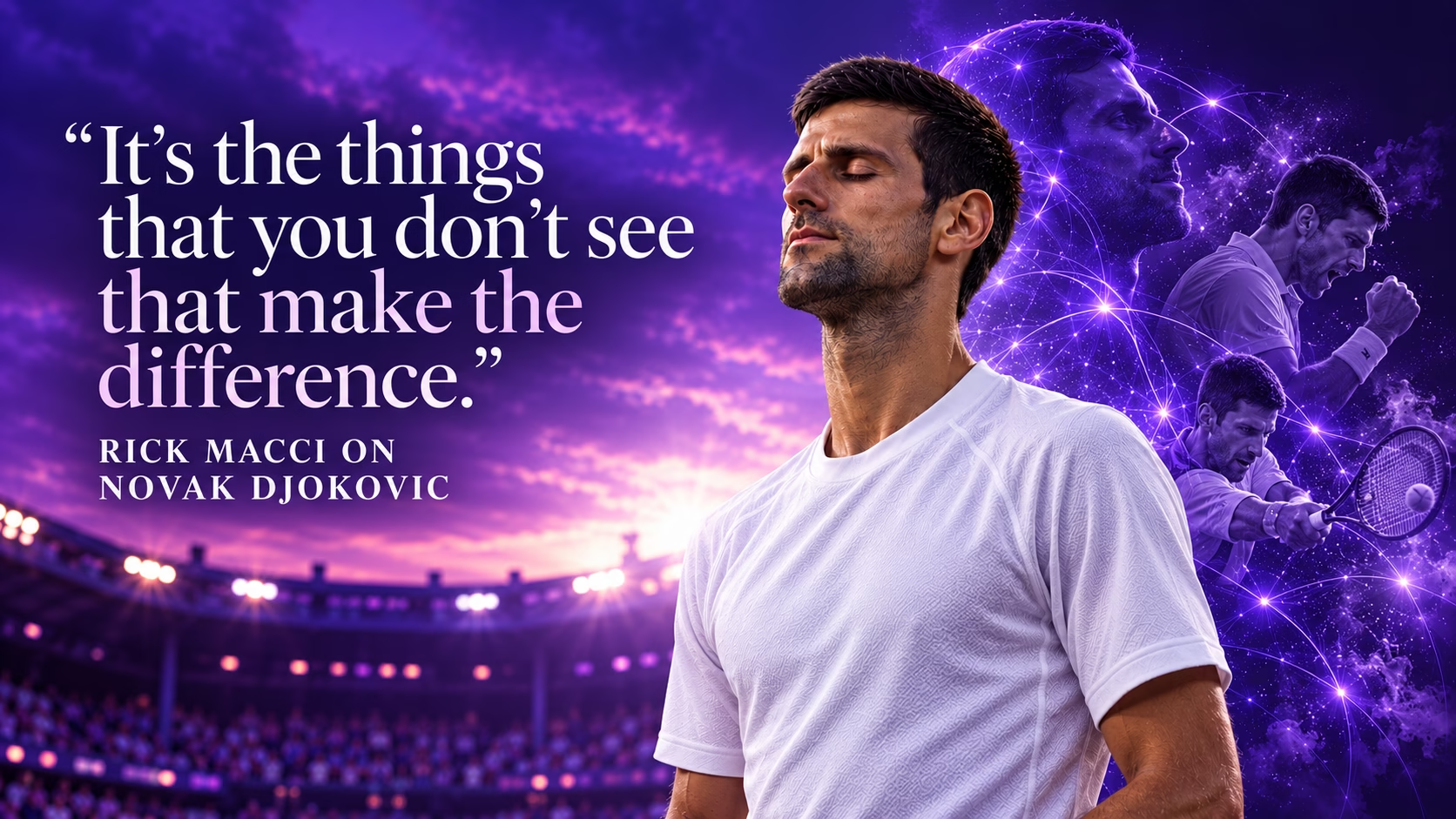
And my message to the Serbian Sniper, the Rubber Band Man, the GOAT, is very simple. Forget what you see on the tennis court. This guy is such a role model to everybody of mental strength and mind control.
This guy is such a role model to everybody of mental strength and mind control.
He’s trained his mind better than anybody who’s ever played the sport. It’s the things that you don’t see that make the difference.
It’s hard to master the mental part of playing tennis, but he’s the closest I’ve seen. He’s mastered the ability to “remember to forget” and flipped the script.
Thank you, Rick, for sharing your experience, your stories, and your passion for developing young players. We especially appreciate your kindness, availability, and generosity throughout our exchanges. Your insights offer valuable guidance to the young players, parents, and coaches who read Tennis Papers. 💜
Key Takeaways for Junior Players & Parents
- Look Beyond Rankings: Early results do not tell the whole story. Focus on developing the qualities and skills that will matter in the long term.
- Build Strong Foundations: Address technical limitations early while developing movement, work ethic and competitive spirit.
- Make Practice Purposeful: Quality, repetition and regular match play matter. Work on uncomfortable areas as well as favorite shots.
- Adapt the Schedule to the Child: Training and competition should reflect the player’s level, motivation and available time, while leaving room for education and rest.
- Support Without Taking Over: Parents should build confidence and offer encouragement. The desire to train and compete must also come from the child.
- Keep Learning: Stay curious, study the game and remain open to improving your approach—as a player, parent or coach.
About Rick Macci & Rick Macci Tennis Academy
Rick Macci
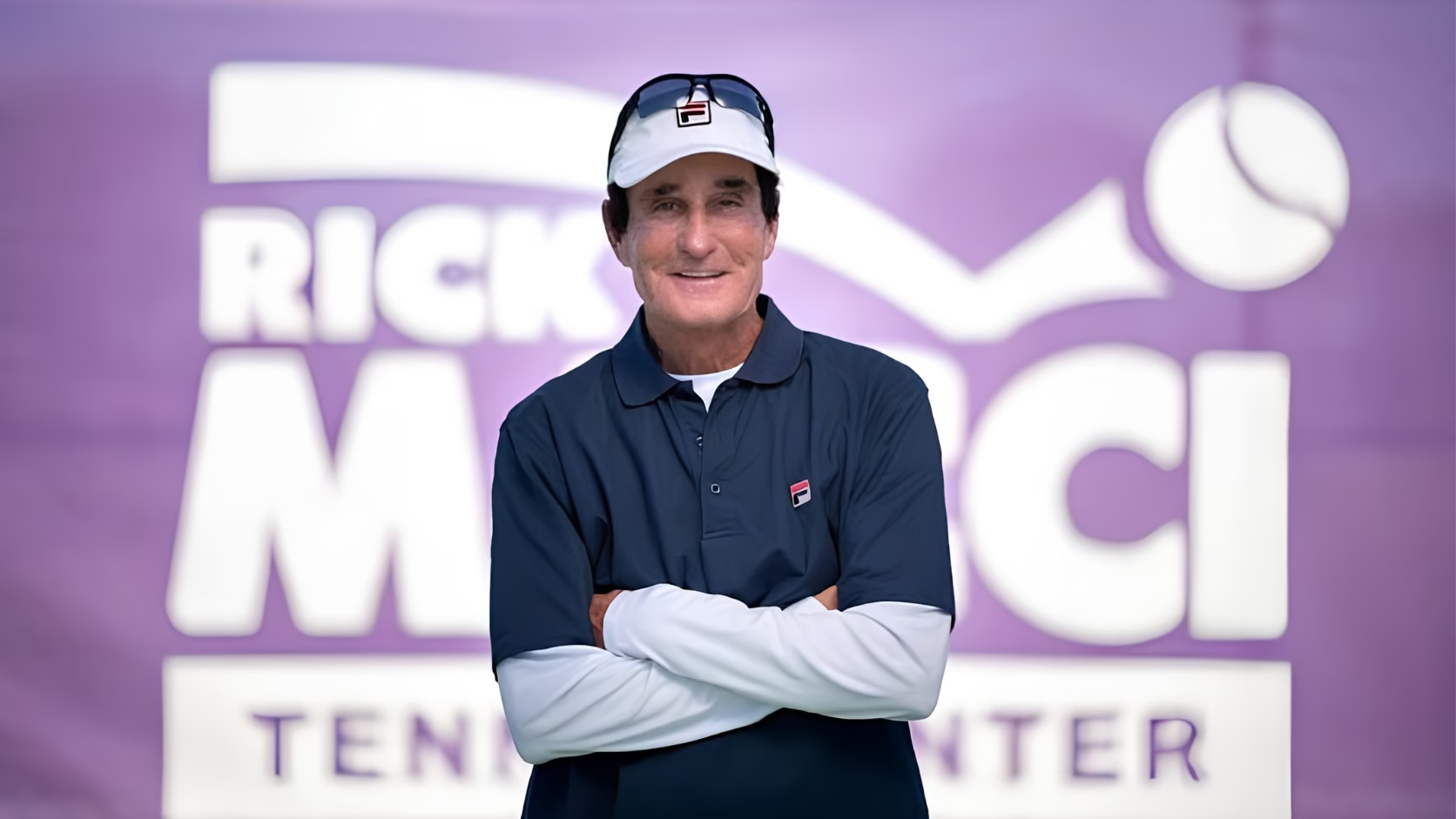
Rick Macci is an American tennis coach, a USPTA Master Professional and a seven-time USPTA Coach of the Year. His coaching career has included working with five players who reached world No. 1: Venus Williams, Serena Williams, Andy Roddick, Maria Sharapova and Jennifer Capriati. Founder of Rick Macci Tennis Academy, established in 1985 and based in Boca Raton, Florida, he works with players of different ages and levels, combining individual attention with an emphasis on technical foundations, movement, strategy and mental development.
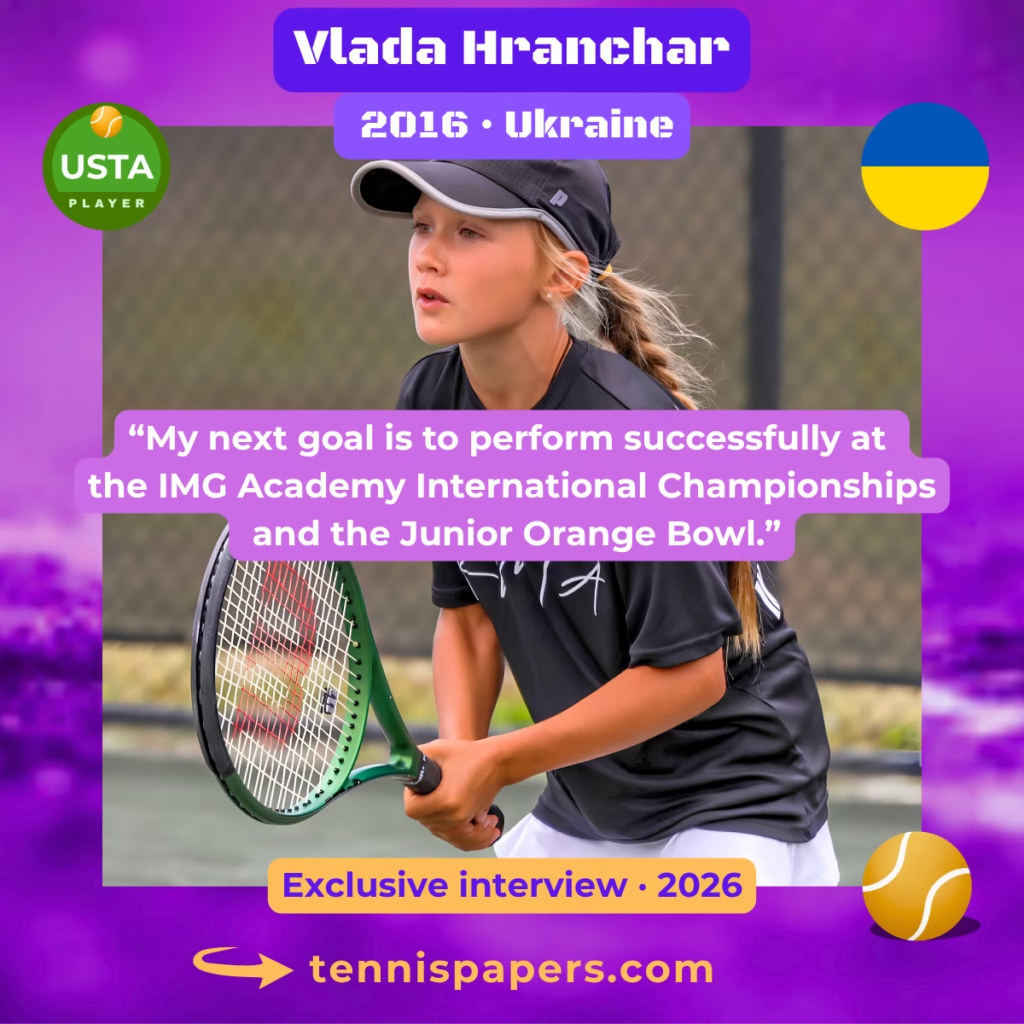
Meet Vlada Hranchar, Rick Macci’s “Little Panther”
Discover Vlada Hranchar’s own perspective on her tennis journey, her ambitions, and working with Rick Macci in her exclusive Tennis Papers interview.
Tennis Papers sincerely thanks Rick Macci for sharing his time, professional experience and valuable insights with the international junior tennis community.