When should a junior tennis player consider working with an agent?
What do sports management agencies look for beyond rankings?
And how can parents protect their child’s long-term development while exploring sponsorship opportunities?
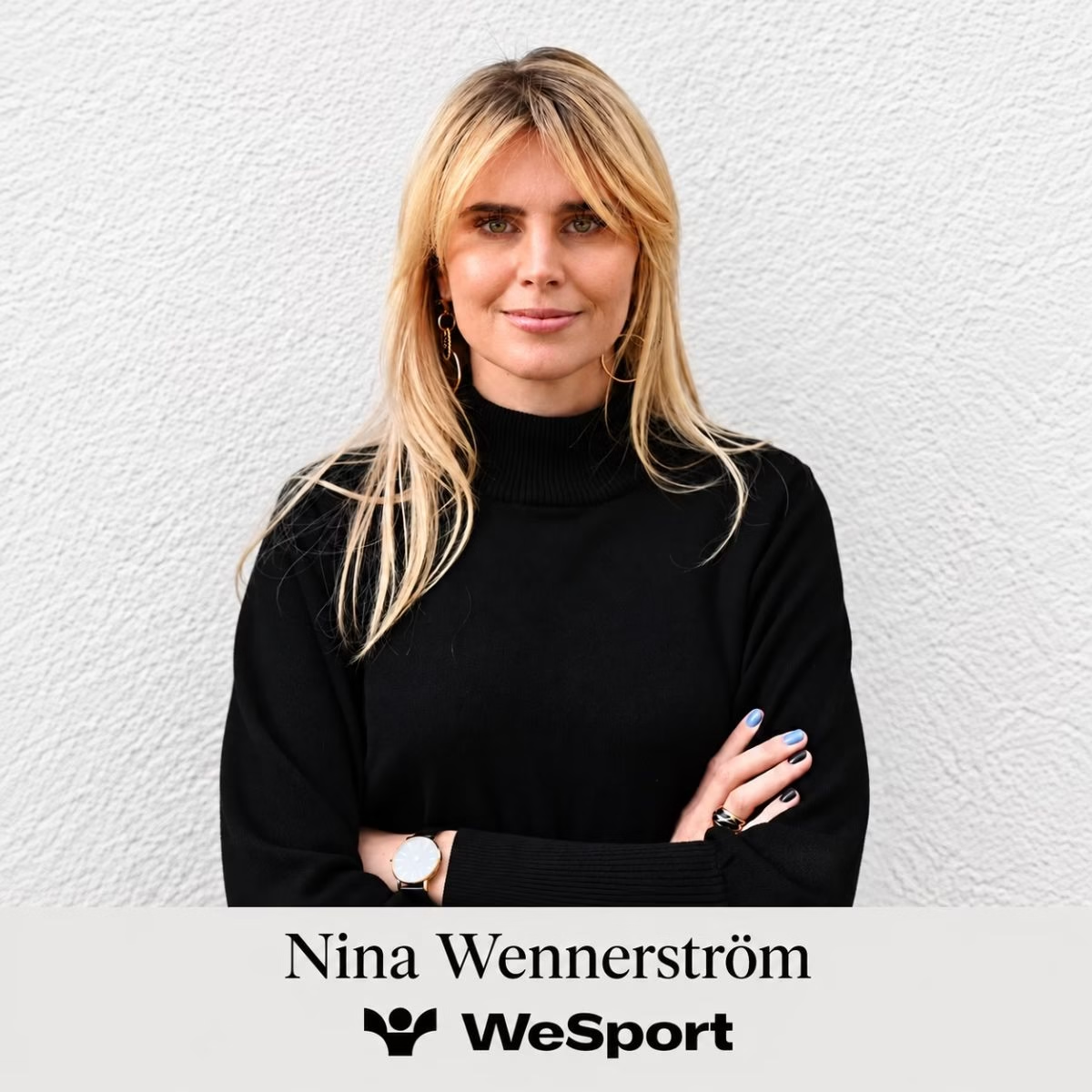
In this exclusive Nina Wennerström interview for Tennis Papers, the Founder and CEO of WeSport shares her experience and advice on junior tennis development, professional representation and sponsorships.
A former professional tennis player and eight-time Swedish national champion, Nina spent approximately seven years working at Octagon in the United States before founding WeSport.
Today, the international sports management agency WeSport represents more than 165 athletes from 28 countries, across tennis, football and ice hockey.
Combining international expertise, commercial opportunities and personalised career management, WeSport supports athletes throughout their professional journeys.
In this interview, Nina explains why talent alone is not enough, when families should consider approaching agents, how representation agreements work and why patience remains essential in junior tennis.
For more information about professional representation in junior tennis, explore our guide to Tennis Scouts and Agents.
Exclusive Interview with Nina Wennerström
My journey began on the tennis court, where I won eight Swedish national championship titles. Although my playing career didn’t take me as far as I had dreamed, it gave me the foundation for everything that followed. After studying at the Stockholm School of Economics and gaining valuable experience at an international sports management company in the US, I founded WeSport.
Today, WeSport is an international sports management agency headquartered in Stockholm, representing more than 165 athletes from 28 countries across tennis, football and ice hockey.
Our philosophy is to build long-term relationships and provide individual, professional support throughout an athlete’s career.
For younger players, our role goes far beyond sponsorships and contracts. We focus on career planning, tournament scheduling, physical development and making sure each player has the right team and structure around them to reach their full potential.
I would actually say that with young players, we act more as mentors than traditional agents. A big part of our responsibility is providing guidance, helping players and their families make the right decisions and being someone they can trust and rely on throughout the journey.
It is also crucial to protect their long-term physical development, prevent injuries and ensure they build their bodies and minds properly for the demands of professional tennis.
Our ambition is to build Europe’s leading independent sports management platform while maintaining the personal approach that has always defined WeSport.
Results are important, but they never tell the full story. We look at a player’s mentality, work ethic, attitude, personality and willingness to improve.
Talent can take you a long way, but discipline, resilience and the ability to handle setbacks are often what separate good players from exceptional ones.
We also pay close attention to the environment surrounding the player. The right family support, and long-term mindset can make an enormous difference.
There is no specific age or ranking when a player suddenly needs an agent.
The right moment is when professional representation can genuinely add value, whether through tournament opportunities, sponsorships, career planning or managing the increasing demands surrounding the player.
For very young players, the priority should always be development rather than commercial opportunities. The right agent should support that process, not accelerate it unnecessarily.
I think families should absolutely feel comfortable reaching out. There is nothing wrong with being proactive, provided the approach is professional and realistic.
At the same time, choosing an agent should never be rushed. It is a long-term relationship, and finding the right fit is far more important than signing with the first agency that shows interest.
Trust, professionalism, integrity and genuine commitment to the player.
I believe an agent working with young athletes should also be a mentor and a positive role model.
Parents should understand who will actually manage their child, how the agency operates and what kind of support it can realistically provide.
I would also look at the agency’s network, international experience and ability to support the player at different stages of their career.
Most importantly, choose people who genuinely care about your child’s long-term development, not just their immediate commercial potential.
Compensation structures vary depending on the agency, the player and the services provided.
Commission-based arrangements on sponsorships and commercial agreements are common, while some management relationships may involve other agreed fee structures.
My advice to parents is to focus on transparency. Make sure you understand exactly which revenues are commissionable, how fees are calculated, what services are included and what happens if the relationship ends.
Everything should be clearly documented and understood before signing.
Be cautious of unrealistic promises, pressure to sign quickly or a lack of transparency around fees and responsibilities.
A good representation agreement should establish clear expectations and protect the interests of both parties.
One of the biggest mistakes is focusing too much on short-term results and rankings rather than long-term development. This can create unnecessary pressure and ultimately limit a player’s potential.
Young players develop at different speeds, and there is no single pathway to becoming a successful professional.
Another common mistake is putting too much pressure on the player or making too many decisions based on individual tournament results.
Patience, consistency and creating a healthy environment are extremely important.
They are becoming increasingly important.
Of course, performance and potential matter, but brands are also looking for personality, professionalism, authenticity and the ability to connect with an audience.
Social media can be a valuable tool, but I always encourage young players to be authentic rather than trying to create an artificial image.
A strong personal brand is built over time through behaviour, values and how you represent yourself both on and off the court.
Think long-term and never forget that your child is a person before they are a tennis player.
Support their ambitions, but allow them to enjoy the journey, make mistakes and develop at their own pace.
The right environment, the right people and a genuine love for the sport are often just as important as talent itself.
Tennis Stars Represented by WeSport
From established ATP and WTA professionals to emerging junior talents, WeSport represents an international roster of tennis players at different stages of their careers.
Its portfolio includes Jasmine Paolini, Jakub Menšík, Tallon Griekspoor, Brandon Nakashima, Daniel Vallejo and Elsa Jacquemot, alongside promising young talents such as Mees Röttgering, Jan Kumstat and Victoria Luiza Barros.
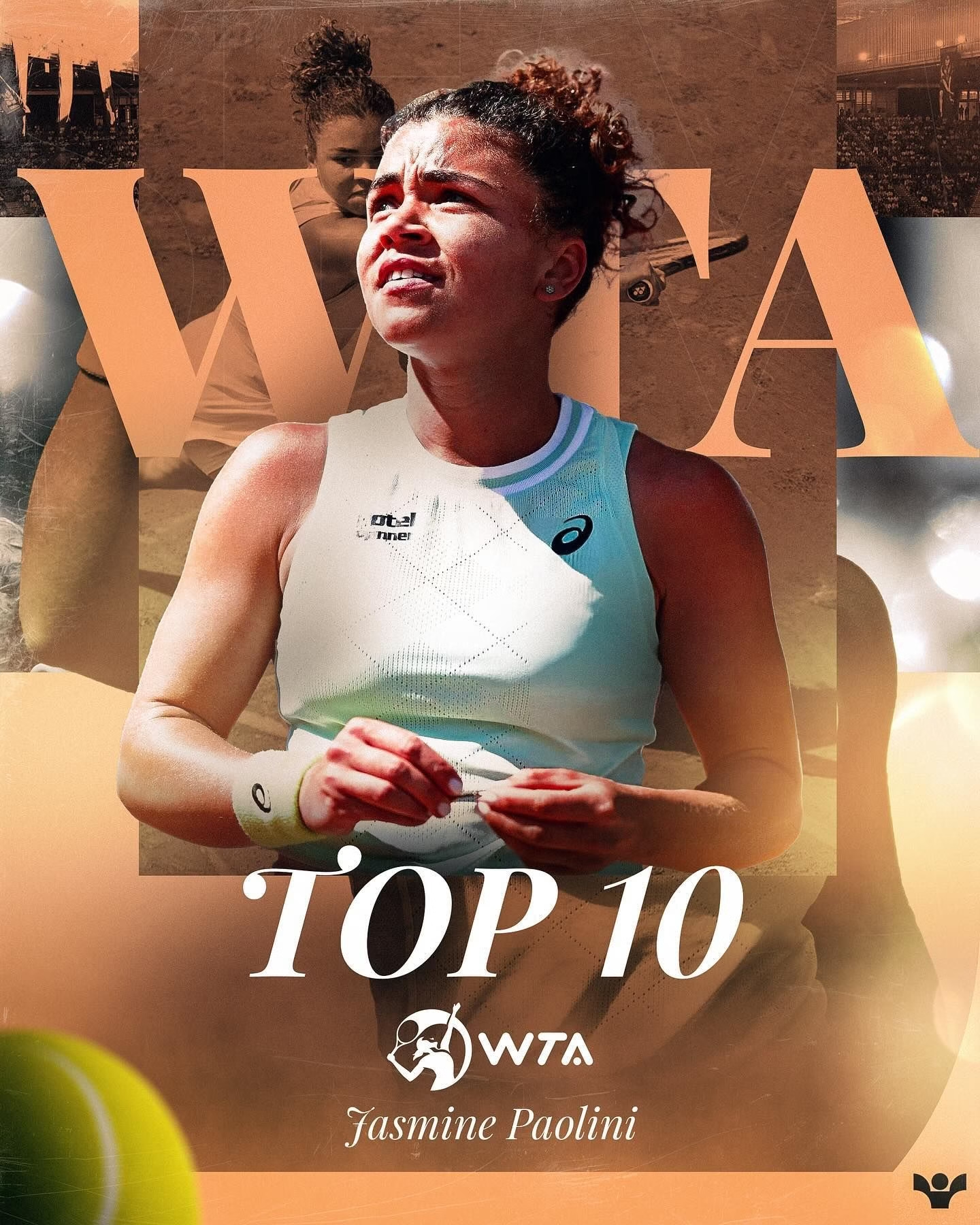
Jasmine Paolini
Italy
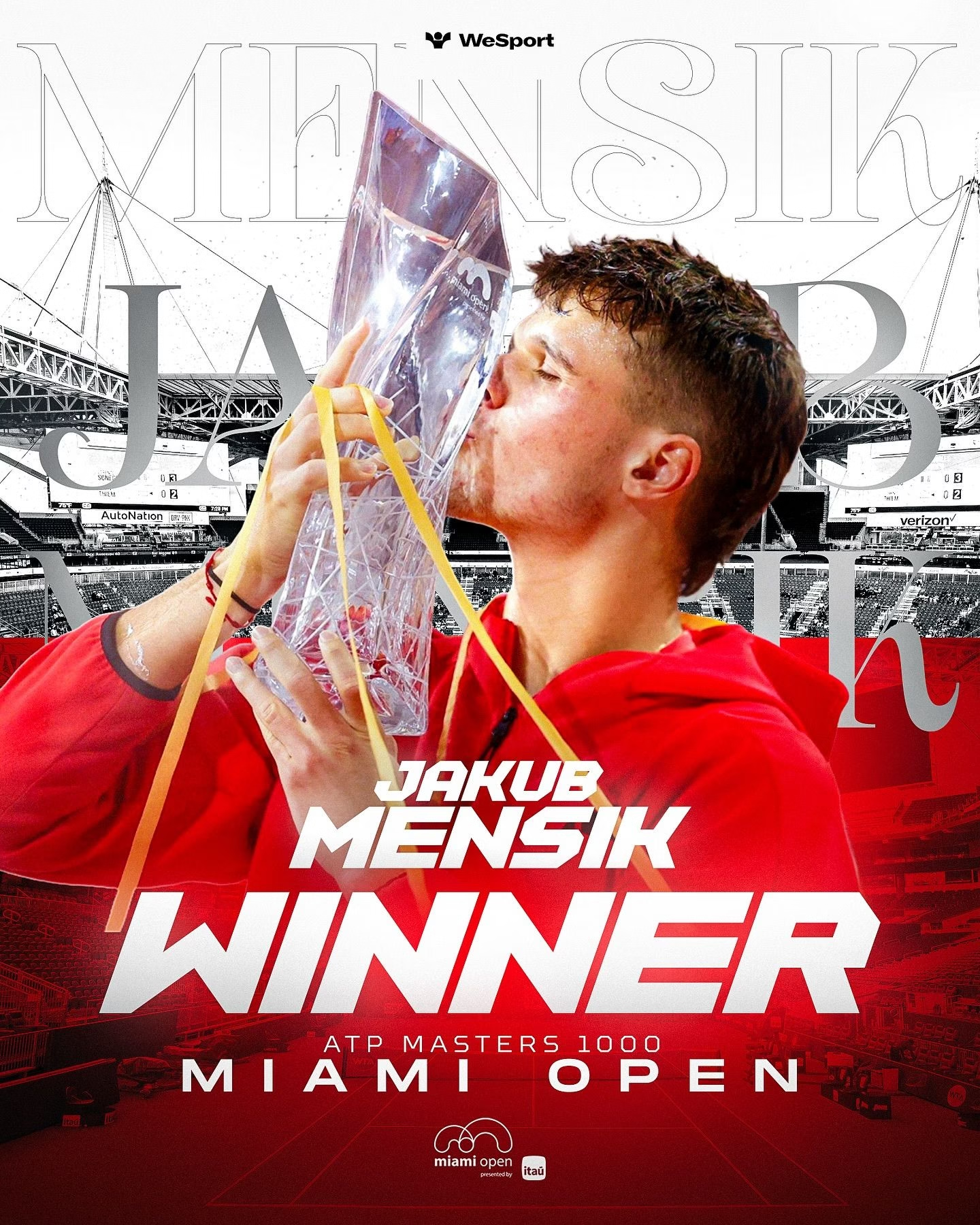
Jakub Menšík
Czechia
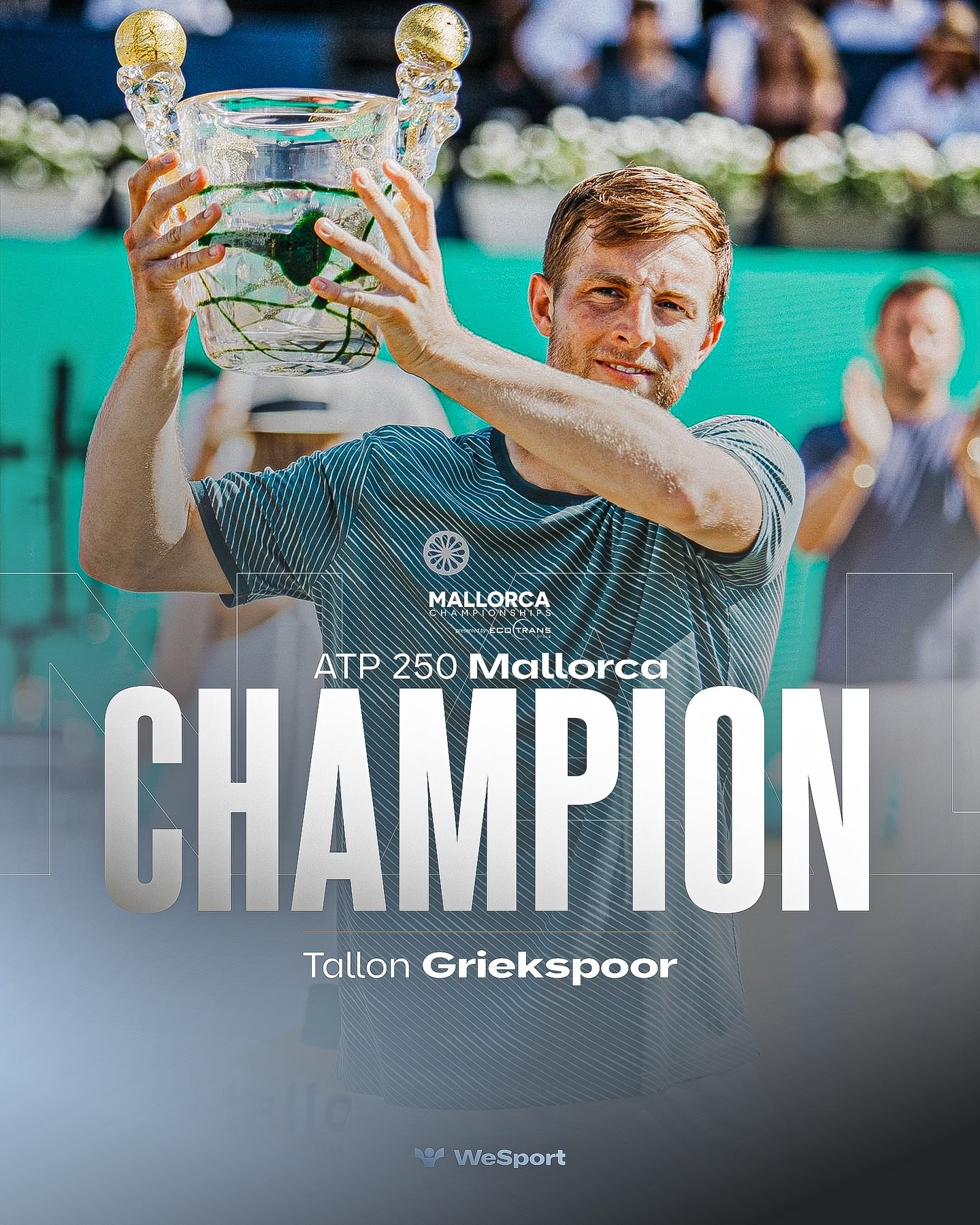
Tallon Griekspoor
Netherlands
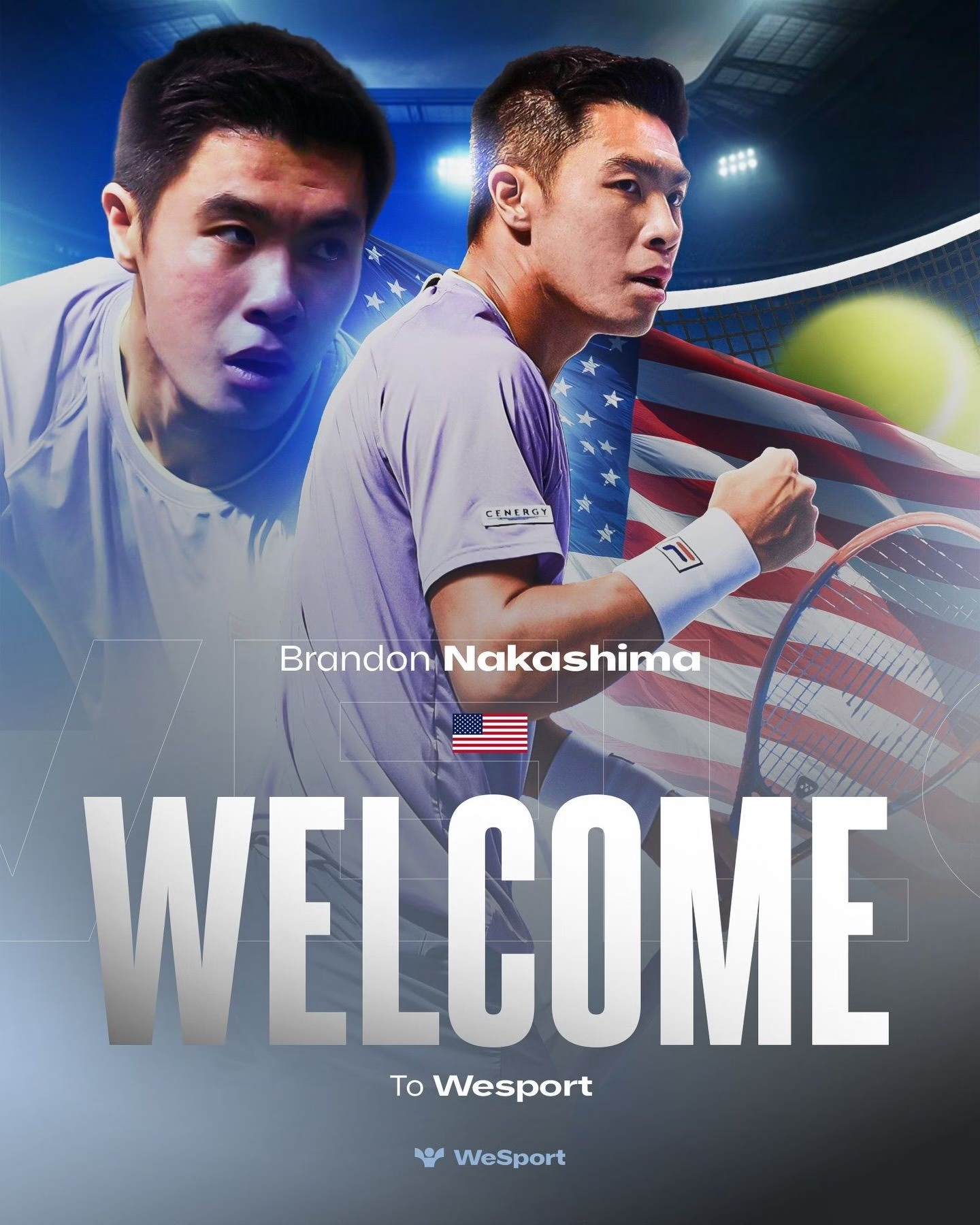
Brandon Nakashima
United States
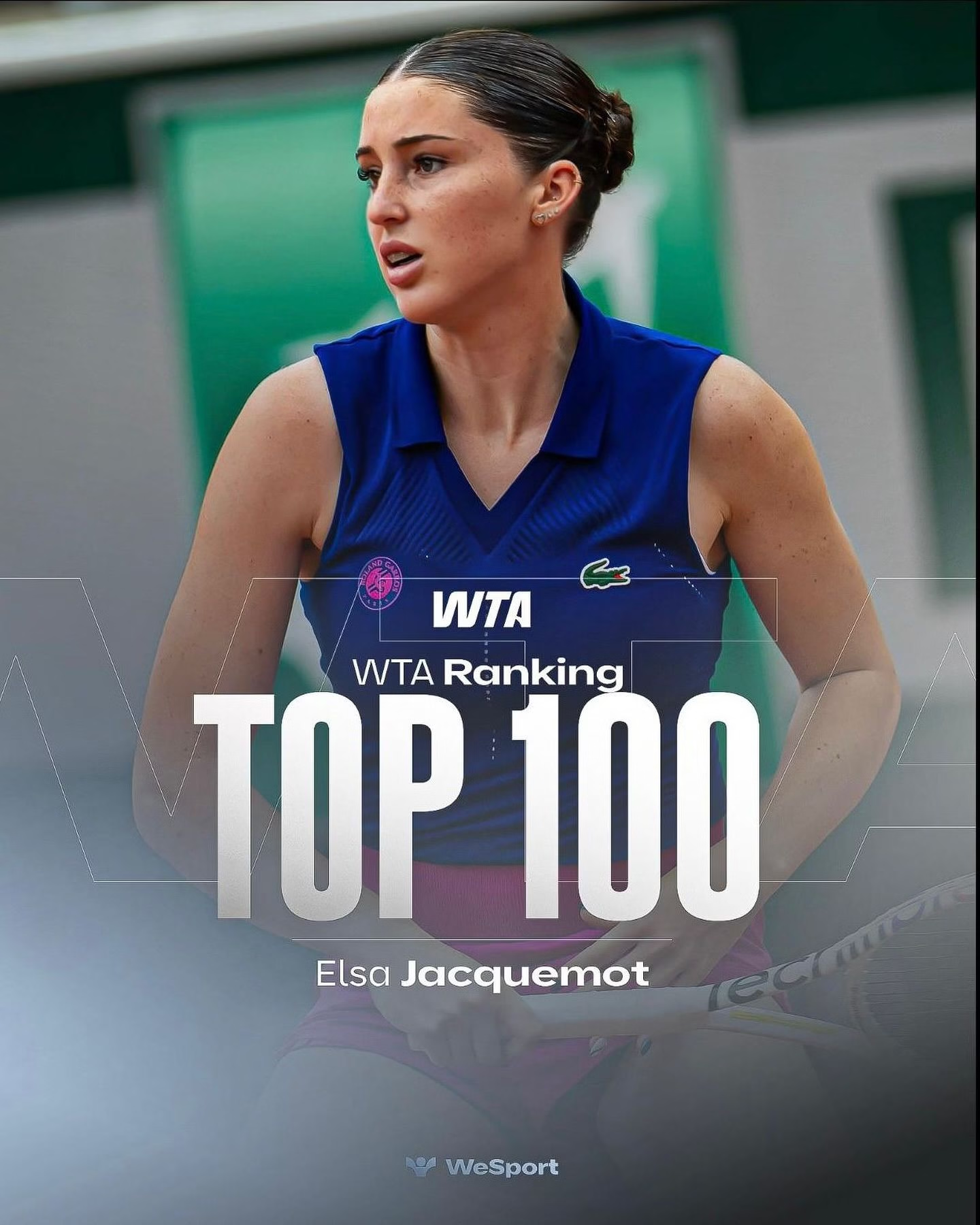
Elsa Jacquemot
France
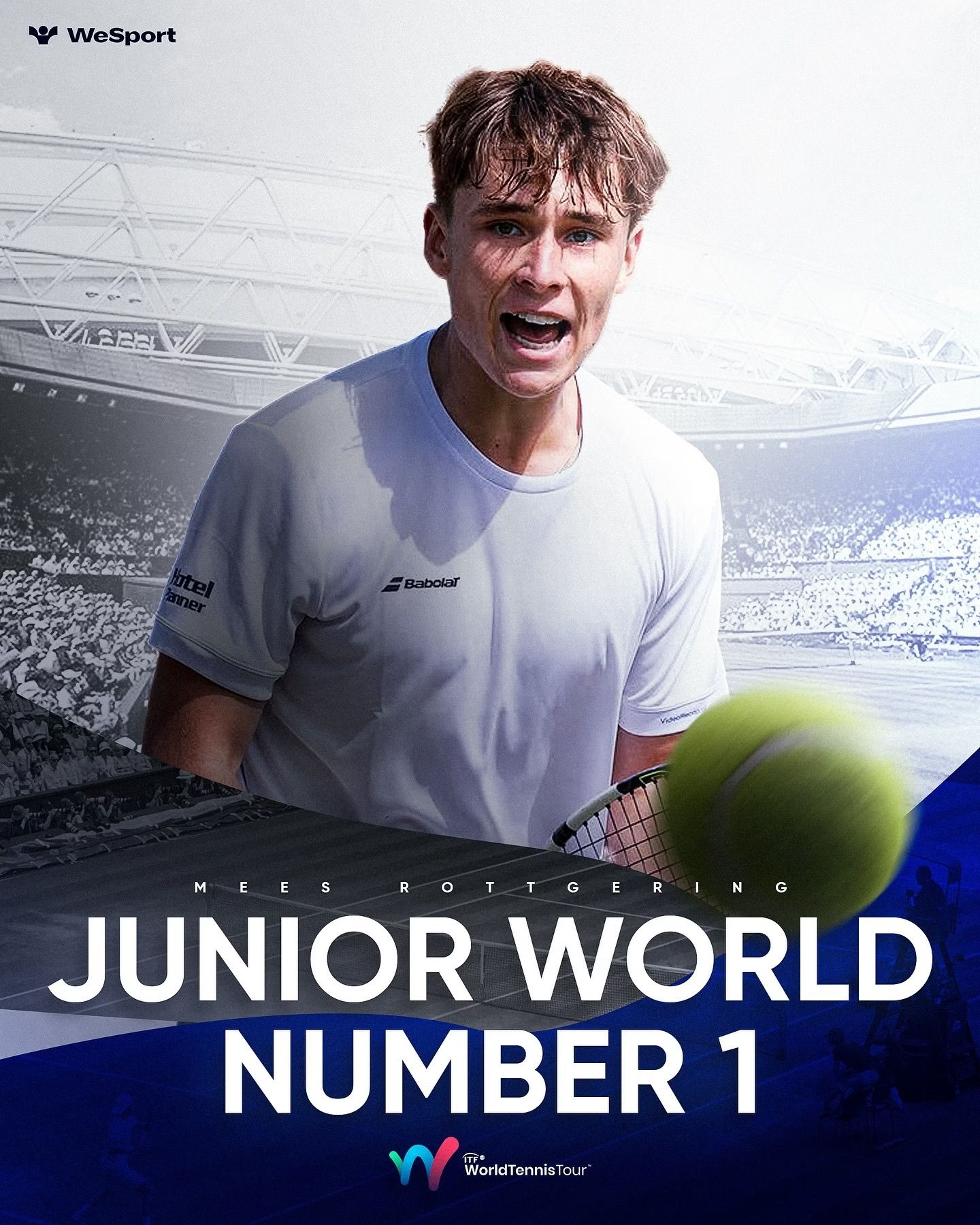
Mees Röttgering
Netherlands
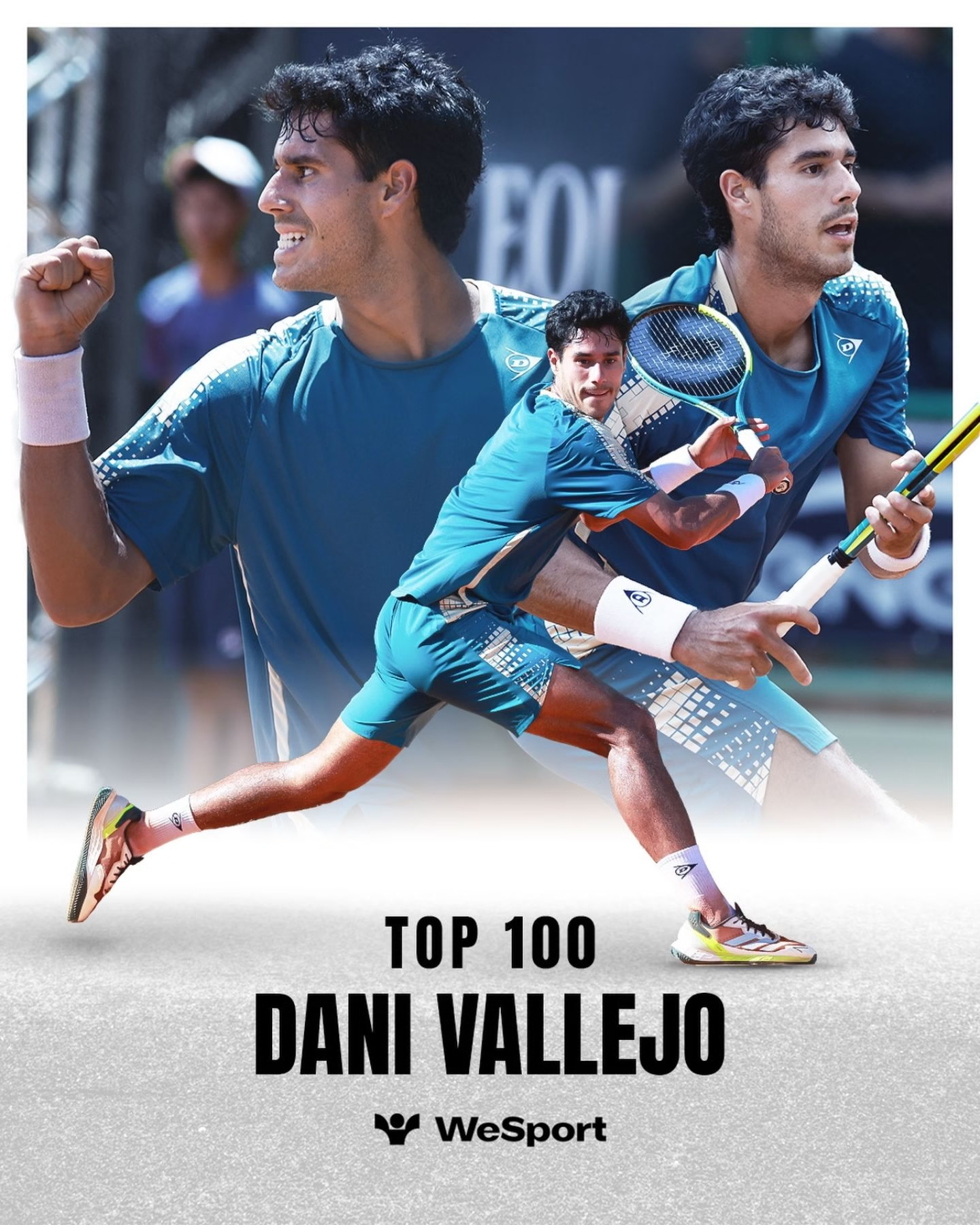
Daniel Vallejo
Paraguay
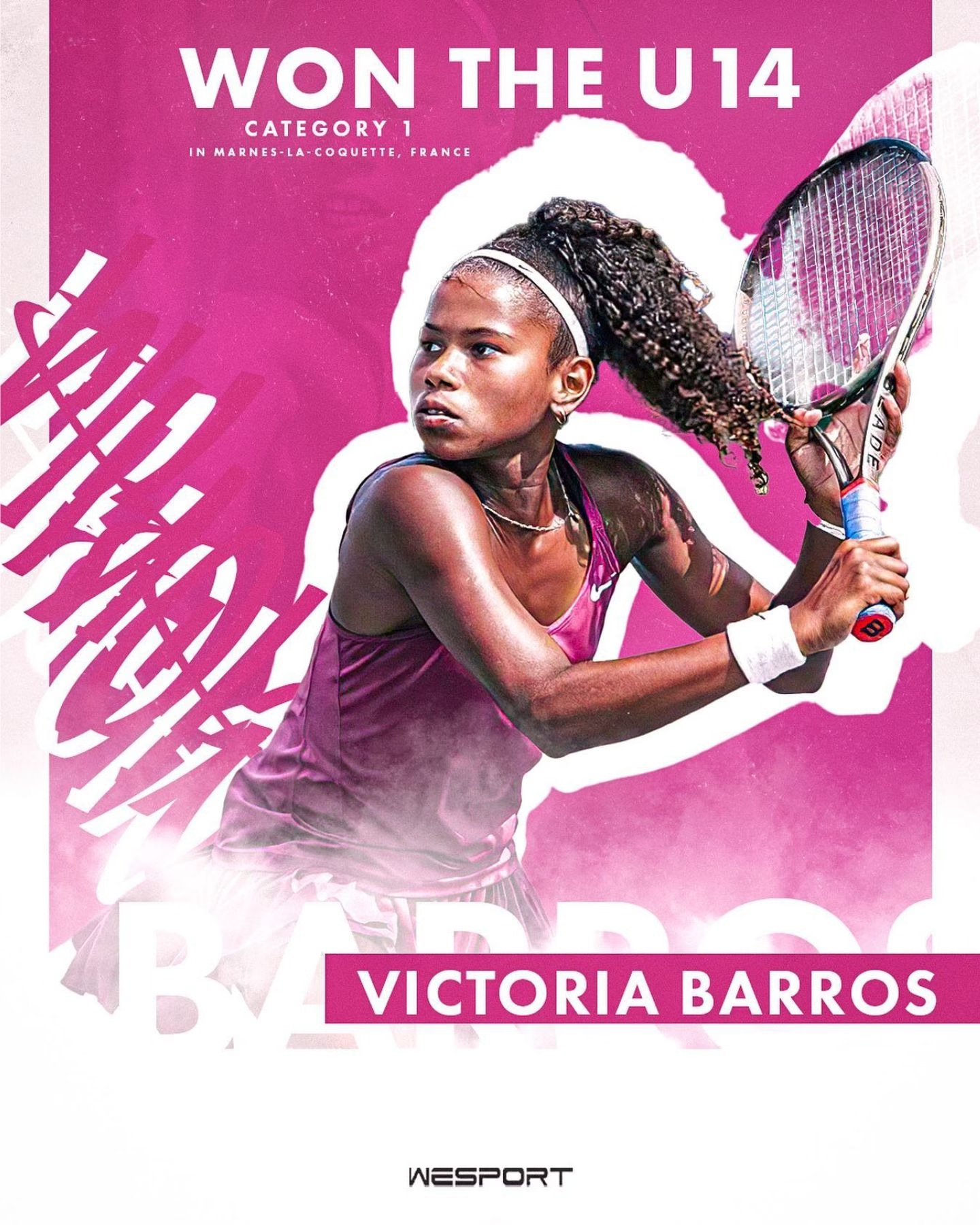
Victoria Luiza Barros
Brazil
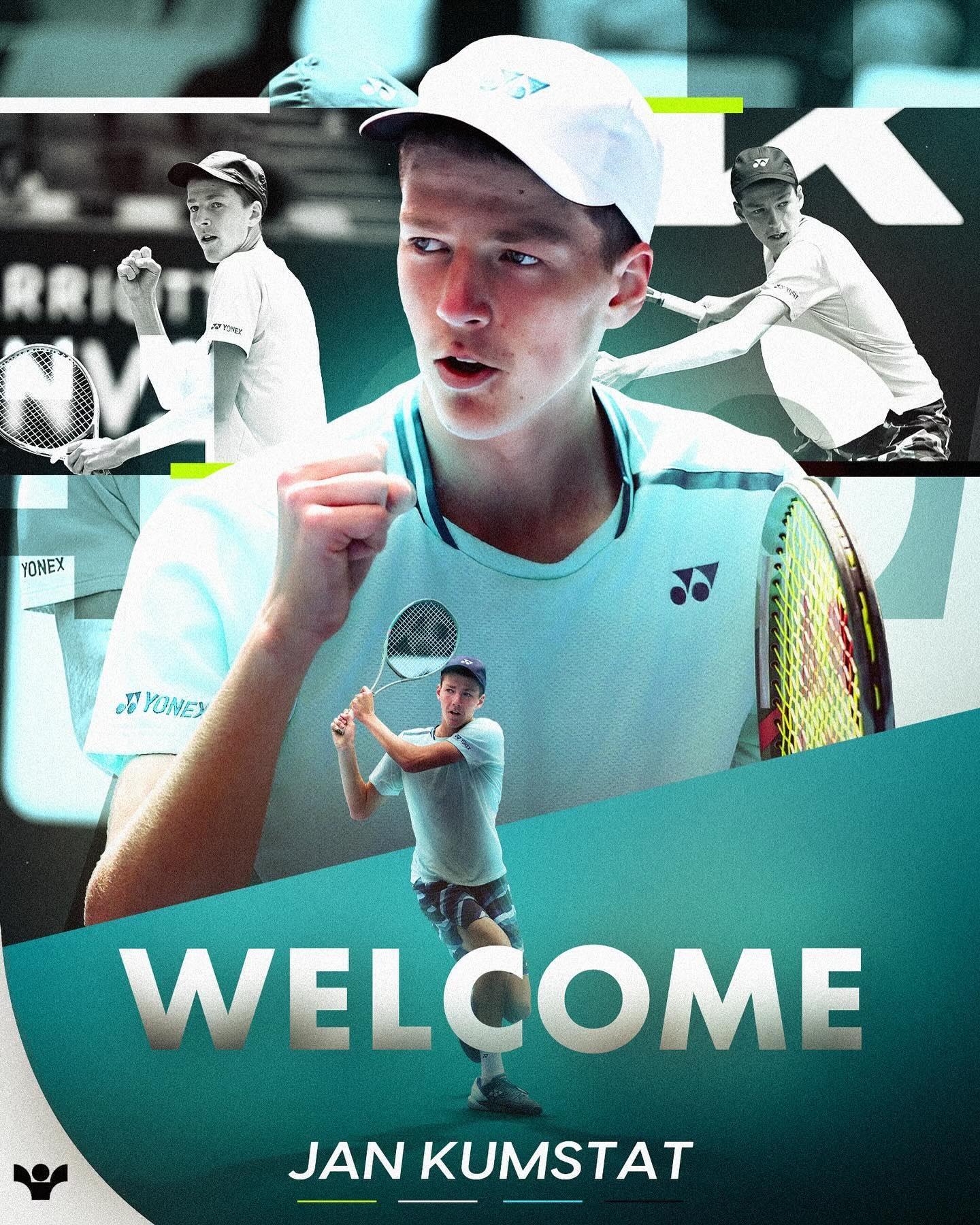
Jan Kumstat
Czechia
Discover more at WeSport Tennis
Brands Featured by WeSport
WeSport showcases a broad network of international brands across sports, lifestyle and other industries. Its official brand partnerships page features leading names in tennis equipment, sportswear and accessories.


Explore the full brand portfolio at WeSport Brands
About WeSport

Its approach emphasises long-term relationships, individual guidance and professional support tailored to each athlete’s needs and ambitions.
WeSport
International Sports Management Agency
Key Takeaways for Junior Tennis Players & Parents
The most important lessons from Nina Wennerström’s interview:
- Think Long-Term: Player development should take priority over short-term rankings and results.
- Choose the Right Agent: Trust, professionalism and genuine commitment matter more than early commercial opportunities.
- Understand Representation Fees: Families should clearly understand commissions, services and contractual obligations before signing.
- Build an Authentic Personal Brand: Sponsors value personality, professionalism and authenticity alongside performance.
- Protect the Player’s Well-Being: A supportive environment, injury prevention and enjoyment of tennis are essential to long-term development.
Tennis Papers sincerely thanks Nina Wennerström for sharing her time, professional experience and valuable insights with the international junior tennis community.