Last update: July 29, 2026
Junior tennis rankings vary depending on age group, region, and level of competition. Global systems such as the ITF Junior Rankings structure the highest level of international play, while various regional and national ranking systems organize player development pathways across the world.
Junior Tennis Rankings at a Glance
Explore the world’s major junior tennis ranking systems and understand how players progress from national circuits to the ITF Junior World Tennis Tour.
These ranking systems help identify top junior players and track their progression toward the professional circuit. Whether you are looking for tournament entry requirements or tracking the junior tennis players’ awards, understanding these standings is essential for navigating the world of competitive youth tennis.

Understanding how these ranking systems connect is essential for players, parents and coaches planning long-term progression. This guide explains how junior tennis rankings work across all major circuits, including ITF, UTR, USTA and regional tours worldwide.
Quick Navigation
Junior Tennis Rankings – Guides 2026
Explore the major global, continental and national junior tennis ranking systems.
Global Junior Circuit

Regional Junior Circuits





National Junior Circuits
Universal Rating


Monthly Junior Tennis Rankings Updates
Explore the latest monthly junior tennis rankings across the world’s leading international, continental and national circuits. Follow updated rankings from ITF, Tennis Europe, COSAT, ATF, CAT, COTECC, USTA and more in one place.
Explore Monthly Rankings ❯Top ITF Junior Tennis Players by Year of Birth
Discover the leading boys and girls from each generation on the ITF World Tennis Tour Juniors.
How Junior Tennis Rankings Systems Compare
Compare the geographic coverage, age categories and purpose of the world’s major junior tennis ranking systems.
| Ranking system | Coverage | Age groups | Type | Best for |
|---|---|---|---|---|
| ITF Junior Rankings | Worldwide | U18 | Global | International competition |
| Tennis Europe Junior Rankings | Europe | U14 • U16 | Continental | European junior pathway |
| COSAT Junior Rankings | South America | U14 • U16 | Continental | South American pathway |
| ATF Junior Rankings | Asia | U14 • U16 | Continental | Asian junior pathway |
| CAT Junior Rankings | Africa | U14 | Continental | African junior pathway |
| COTECC Junior Rankings | Central America & Caribbean | U14 | Regional | Regional development pathway |
| USTA Junior Rankings | United States | U12–U18 | National | US tournament pathway |
| Tennis Canada Junior Rankings | Canada | U12–U18 | National | Canadian tournament pathway |
| UTR Rating | Worldwide | All ages | Comparing playing level |
Ranking systems award positions according to tournament results, while UTR primarily measures playing level based on match performance.
How Junior Tennis Rankings Connect Globally
Junior tennis follows a progressive pathway from national tournaments to the world’s biggest international events. Most players begin with their national federation before progressing through continental tours, the ITF Junior World Tennis Tour and, ultimately, the professional ATP or WTA Tour.
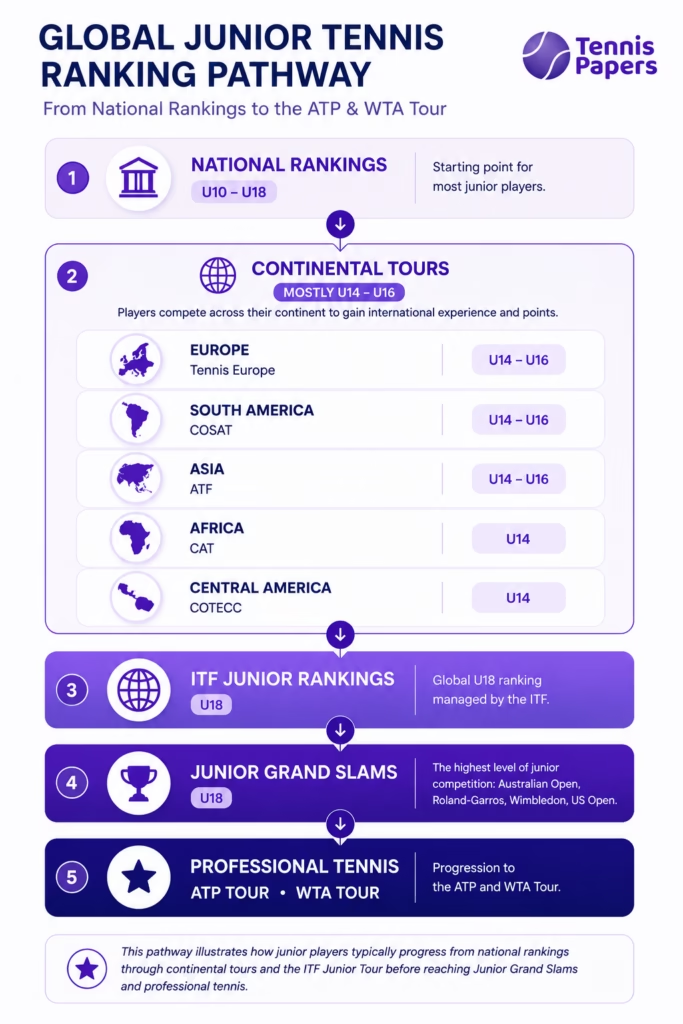
Understanding the Pathway
National Foundation
Most junior players begin by competing in national tournaments organised by their country’s tennis federation. These events help build experience, improve national rankings and prepare players for international competition.
Continental Development
Strong national results allow players to compete on continental circuits such as Tennis Europe, COSAT, ATF, CAT or COTECC, depending on their region. These tours provide valuable international experience and accelerate player development.
International Progression
The highest-performing juniors move on to the ITF Junior World Tennis Tour and Junior Grand Slams before making the transition to the ATP or WTA Tour.
Key Takeaways
- National rankings are usually the starting point for every junior player.
- Continental circuits provide the bridge between national competition and the ITF Junior Tour.
- The ITF Junior Rankings are the world’s leading U18 ranking system.
- Junior Grand Slams represent the highest level of junior competition.
- Strong junior results can help players transition to professional tennis.
Ranking Strategy: Smart Scheduling
Ranking progression depends not only on results, but also on choosing tournaments that match the player’s current level, development needs and long-term goals.
Plan the Calendar
Build a balanced schedule combining national, continental and international events without overloading the player.
Choose the Right Level
Winning matches at an appropriate tournament level can support development more effectively than entering stronger events too early.
Think Long-Term
Rankings should support confidence, match experience and technical progress rather than becoming the player’s only objective.
How Rankings Impact a Professional Career
Rankings Create Opportunities
Strong junior rankings can improve access to higher-level tournaments, increase visibility and support opportunities with academies, coaches, scouts and sponsors.
Rankings remain only one part of development: match quality, physical preparation, technical progress and long-term planning are equally important.
Common Ranking Mistakes Families Make
Playing Too High Too Soon
Entering advanced tournaments before the player is ready can reduce confidence and limit meaningful match experience.
Ignoring National Foundations
National rankings and domestic tournaments usually provide the most stable foundation for later international progression.
Over-Travelling
Frequent travel without a clear competitive purpose can increase costs, fatigue and injury risk.
Chasing Points Only
Ranking gains should never replace technical development, physical preparation and enjoyment of competition.
Which junior tennis ranking should you follow?
The most relevant ranking system depends on the player’s age, country, competitive level and tournament goals.
Start Nationally
Most players begin with tournaments and rankings managed by their national federation.
Progress Continentally
Tennis Europe, COSAT, ATF, CAT and COTECC provide regional international pathways.
Reach the ITF Tour
The ITF Junior World Tennis Tour becomes the principal global ranking pathway at U18 level.
Players may follow several systems at the same time. Use the ranking guides above to understand the rules, age groups and progression pathway for each circuit.
Frequently Asked Questions
What are junior tennis rankings?
Junior tennis rankings are competitive ranking systems used to compare young players based on tournament results. Different organizations operate separate systems, including the ITF World Tennis Tour Juniors, regional circuits such as Tennis Europe, COSAT, ATF and CAT, and national federation rankings.
What is the difference between national, regional and ITF junior rankings?
National rankings track players within a country, while regional systems rank players competing within a continental or regional circuit. The ITF World Tennis Tour Juniors ranking is the global international ranking for eligible junior players competing on the ITF junior circuit.
How do I get an ITF Junior ranking?
Players competing on the ITF World Tennis Tour Juniors must use World Tennis Tour Zone, formerly known as IPIN, to manage tournament entries and withdrawals. A player builds an ITF Junior ranking by earning ranking points through eligible ITF junior tournaments, which range from J30 to J500 as well as Junior Grand Slam events.
Do junior tennis rankings convert into ATP or WTA ranking points?
No. Junior rankings and professional ATP or WTA rankings are separate systems. Strong junior results can help players gain competitive experience, visibility and access to higher-level opportunities, but junior ranking points do not automatically become professional ranking points.
Why can a junior tennis ranking change or drop?
Rankings can change as new tournament results are added, older results expire or other players earn more points. The exact calculation and ranking period depend on the organization, so players should always check the rules of the specific ranking system they are following.
Should junior players focus on national or international rankings?
It depends on the player’s age, level and development stage. National and regional competition can provide a strong foundation before moving toward more demanding international events. Ranking goals should support long-term player development rather than replace technical, physical and competitive progression.
Continue Exploring Tennis Papers
Discover more junior tennis resources, including player interviews, rankings, tournaments, academies, sponsorship and career development.