Tennis Europe rankings structure junior competition across the continent, offering young players a clear pathway from national events to international tournaments. The Tennis Europe Junior Tour covers U12, U14 and U16 categories and plays a major role in early international development.
This guide is part of our complete Junior Tennis Rankings overview, comparing ITF, Tennis Europe and regional ranking systems.
What Are Tennis Europe Rankings?
Tennis Europe rankings measure performance in officially sanctioned Tennis Europe Junior Tour events.
Unlike the ITF system, Tennis Europe rankings focus on:
- Continental competition
- Age-group development
- Structured progression before U18
Rankings are calculated separately for each age category.
Age Categories in Tennis Europe
Tennis Europe rankings are divided into:
- U12
- U14
- U16
Each category has its own ranking list and tournament calendar.
Players typically transition to ITF junior rankings at U18 level after progressing through Tennis Europe events.
How Tennis Europe Ranking Points Work
Points are awarded based on:
- Tournament category (Category 1, 2, 3, etc.)
- Round reached
- Strength of event
Higher-category tournaments award more ranking points and attract stronger competition.
Unlike the ITF 52-week rolling ranking system, Tennis Europe uses age-category rankings specific to junior development stages.
Tennis Europe Tournament Categories
Tennis Europe Junior Tour events are divided into:
- Category 1
- Category 2
- Category 3
Category 1 tournaments offer the highest ranking points and typically feature stronger international fields.
To understand how these tournaments fit within global junior competition, explore our guide to international junior tennis tournaments.
How Tennis Europe Rankings Connect to ITF
Strong performance on the Tennis Europe circuit often prepares players for transition to the ITF junior rankings, where international U18 competition begins.
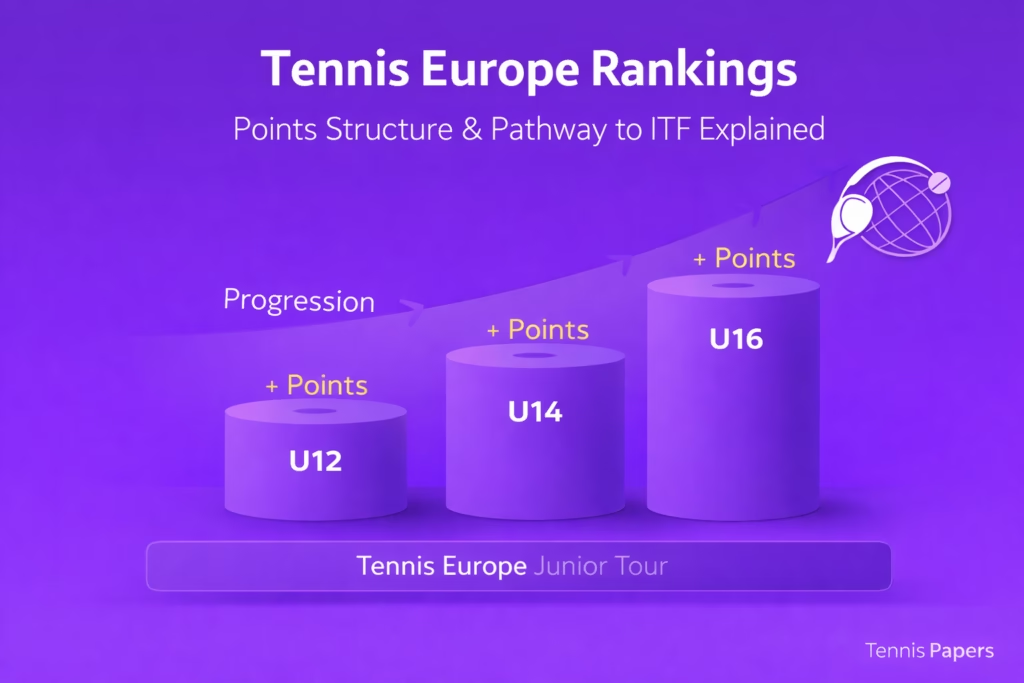
Many European players follow this pathway:
National events → Tennis Europe U14/U16 → ITF Junior Tour → Professional level
Strategic Development on the Tennis Europe Circuit
Tennis Europe competition focuses on:
- International match experience
- Early travel exposure
- Surface adaptation
- Competitive maturity
Because rankings are age-specific, players should prioritize development and consistent performance rather than rapid ranking jumps.
Common Mistakes in Tennis Europe Ranking Progression
- Moving to higher categories too early
- Overplaying without recovery planning
- Focusing only on ranking instead of development
- Ignoring transition timing to ITF
Sustainable progression within U14 and U16 levels often produces better long-term results.
Where to Check Official Tennis Europe Rankings
Official rankings and tournament information are available on the Tennis Europe Junior Tour website:
👉 Tennis Europe Ranking
Tennis Europe Rankings and the Global Junior Pathway
Tennis Europe rankings serve as a bridge between national circuits and global competition.
Players who perform strongly at U14 and U16 level often transition toward:
- ITF junior rankings
- Junior Grand Slam qualification
- Professional development pathways
Understanding how continental rankings function is essential for long-term planning.