Junior tennis sponsorship is a critical part of a young player’s journey, helping cover equipment, travel, tournaments, and development costs. This guide explains why sponsorship matters, the types of sponsors available, and practical steps junior players and their families can take to attract support from local businesses, brands, and organizations.
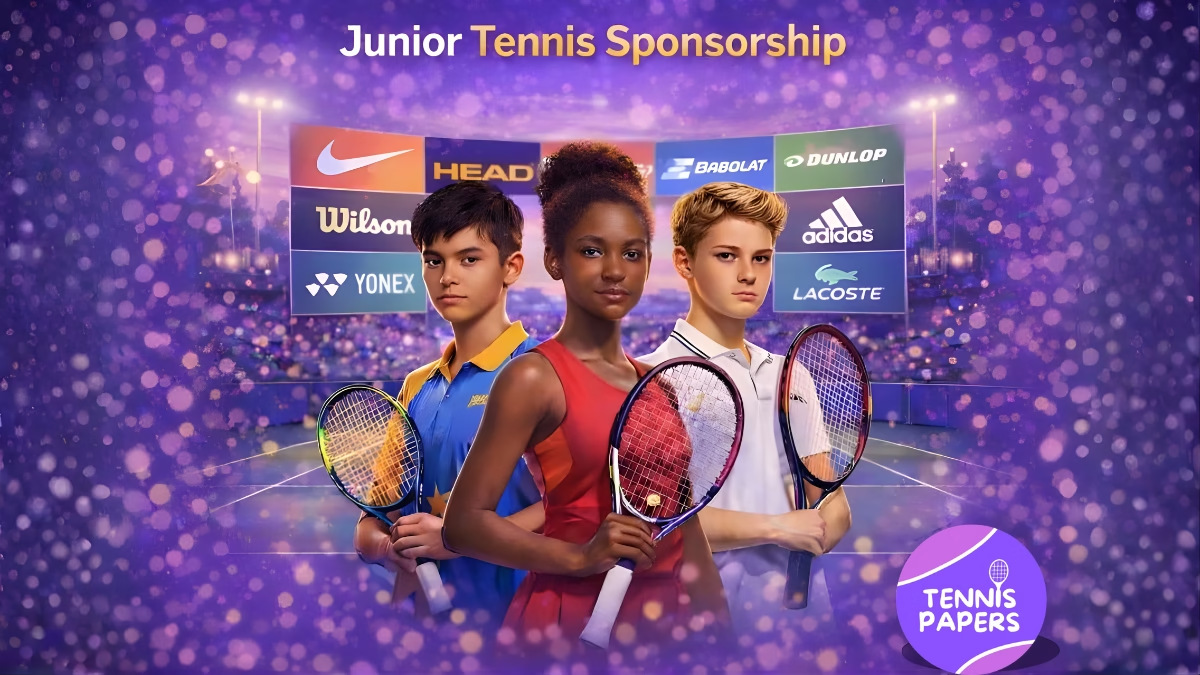
Table of Contents
Junior Tennis Sponsorship
Sponsorship is an essential part of the tennis world. Tennis sponsorship helps players, coaches, and clubs cover key costs such as equipment, travel, and tournament expenses.
On this page, we explain the role of sponsors and share practical tips on how to approach potential sponsors and build successful, long-term partnerships in junior tennis.
Why Junior Tennis Sponsorship Matters
- Helps fund travel, tournaments, and equipment.
- Provides visibility for both the sponsor and you.
- Creates networking opportunities in the tennis world.
Types of Sponsors
- Equipment sponsors: racquets, shoes, clothing, accessories.
- Financial sponsors: local businesses, banks, investment funds.
- Institutional sponsors: federations, clubs, sports associations.
How to Contact a Sponsor
Prepare a Sponsorship Package:
- Personal presentation (age, ranking, achievements).
- Your financial or equipment needs.
- What you can offer in return (logo on equipment, social media posts, event participation).
Identify Potential Sponsors:
- Brands already active in tennis.
- Local companies interested in visibility.
Send a Professional Email or Message:
- Be clear and concise.
- Personalize each message for the company.
Follow-up:
- Follow up after 1–2 weeks if there is no response.
- Always stay polite and professional.
Tips for Successful Sponsorship
- Be visible: social media, local tournaments, clubs.
- Offer tangible returns: posts, logo on gear, event participation.
- Maintain the relationship: thank sponsors and update them on results.
- Be realistic: start with small local companies before approaching big brands.
Examples of Successful Partnerships
- Junior players with local clubs and regional brands.
- Junior tournaments sponsored by banks or sports associations.
- Partnerships with equipment brands for social media exposure (Instagram/TikTok).
Examples of Junior Tennis Sponsorship Programs
The following examples illustrate how some equipment brands structure their junior tennis sponsorship or ambassador programs. These links are provided for informational purposes only and do not imply any partnership or endorsement by Tennis Papers.
- K-Swiss – Team K-Swiss Brand Ambassador Program
An official brand ambassador application program open to competitive junior and professional athletes, focusing on performance, visibility, and long-term development.
🔗 https://kswiss.fr/pages/team-kswiss-application - Yonex – Junior Tennis Sponsorships
Sponsorship opportunities offered by Yonex for competitive junior players, with application criteria that may vary by country and region.
🔗 https://us.yonex.com/pages/tennis-sponsorships
Eligibility requirements, application processes, and availability may vary depending on location, age category, and competitive level.
Useful Resources
Official ITF junior tennis structure
It is intended to help junior players, parents, and coaches better understand how tennis sponsorship typically works.
• National tennis federations and sponsorship
Most national federations outline how sponsorship fits into player development, high-performance pathways, and junior competition structures.
• Club and tournament experience
Many clubs and junior tournaments share best practices on approaching sponsors, based on real-world experience at local, national, and international levels.
• What a sponsorship package usually includes
An overview of the elements sponsors commonly expect in junior tennis: player profile, results and rankings, development goals, annual budget, and the value offered to partners. This is provided for informational purposes only.
Conclusion
Sponsorship is a key step to progress in tennis. With a solid package, professional approach, and consistent follow-up, you can find reliable partners and build lasting relationships.
Sponsorship plays a role in a tennis player’s journey, but it should come at the right time and within a broader tennis career pathway, built on development, competition experience, and long-term progression.